Your China & Yunnan Travel Experts



Lists of “Chinese versus Western culture” often turn averages into stereotypes. A traveler needs something more reliable: ten situations in which expectations may differ, plus a way to confirm what applies. China and the societies called Western are internally diverse, and people adjust behavior across home, work and public space. Use this page with the evidence notes in our main culture guide. Observe the venue, ask the responsible person and treat written rules, safety and consent as more authoritative than any cultural tip.
What you may notice: Transport departures, attraction entry slots and business meetings can require strict punctuality, while a family meal or informal gathering may allow flexibility. The difference is the event and host, not a weak “Chinese concept of time.”
How to respond: Confirm the date, time zone, meeting point and whether the stated time means arrival or departure. Send a message if delayed. Apply the same courtesy in any country.
What you may notice: Some Chinese households include several generations or maintain frequent intergenerational support. Others live separately because of work, study, migration, preference or available housing.
How to respond: Do not ask why an unmarried adult lives with parents or why an older relative lives elsewhere. Follow the host's seating and shoe practices, and ask before entering private rooms.
A family setting represents one household, not a national template.
What you may notice: Qualified phrases, pauses and indirect refusals may protect a working relationship in some settings. Close friends or busy service staff may be very direct. Hierarchy, language ability and urgency all influence style.
How to respond: Give concrete choices and ask for confirmation: “Is the 9:00 departure confirmed, yes or no?” Summarize price, inclusions and cancellation terms in writing. The context-aware communication guide explains why hints should be verified rather than decoded as national traits.
A qualified local guide can clarify logistics, but the traveler should still review written terms. Ask the organizer to identify the responsible contact. For a tailored trip, share accessibility, diet and pace requirements before services are booked.
What you may notice: Public criticism can threaten dignity and make cooperation harder, especially when status or a group audience is involved. Concern for reputation is not uniquely Chinese, and silence does not prove agreement.
How to respond: Describe the problem and desired correction without attacking character. Move a sensitive dispute aside, keep receipts and escalate safety or fraud concerns through the proper channel. Preserving dignity never means abandoning your rights.
What you may notice: Visitors from many countries take extensive photographs of food, landmarks and themselves. Camera habits vary by age, platform, trip purpose and group—not civilization.
How to respond: Follow no-photo signs, avoid blocking paths and ask before photographing identifiable people, worship, children or private homes. At crowded landmarks, choose a safe stopping place rather than stepping backward into traffic.

Photography on the Great Wall requires awareness of stairs, edges and other visitors.
What you may notice: Pale-skin ideals appear in parts of Chinese beauty advertising, while tanning has had status in some Western markets. Both histories are contested, commercialized and changing; individuals use shade for comfort, health, fashion or preference.
How to respond: Do not comment on a person's skin tone, weight or attractiveness. Pack sun protection appropriate to the forecast and your health needs. Umbrellas, hats and sleeves are practical choices, not evidence about personality.
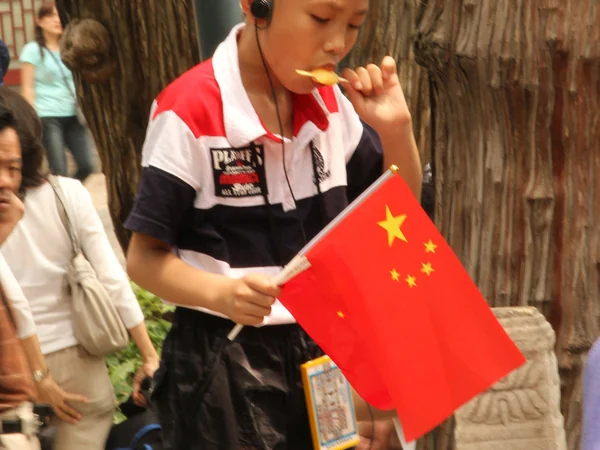
A young visitor in the Forbidden City illustrates individual style, not a national beauty standard.
What you may notice: Age, marital status, work or children may appear in friendly small talk, especially among older acquaintances. Other Chinese people consider the same questions intrusive. Income and health details remain sensitive in many settings.
How to respond: Answer only what you wish: “I keep that private, but I'm happy to talk about the trip.” Avoid asking return questions that could embarrass someone. A boundary can be warm and clear.
What you may notice: A compliment may be downplayed to signal modesty, while a résumé, sales pitch or formal introduction may emphasize achievements. Western settings also vary between modesty and assertive self-promotion.
How to respond: Offer specific praise without forcing agreement. When credentials matter, ask for verifiable experience or licenses instead of judging confidence. Understatement is not weakness, and confidence is not proof.
What you may notice: Tour groups, families and work teams may coordinate decisions collectively. Individuals can still want free time, privacy or a different meal. Group behavior depends on organization and relationship.
How to respond: Ask each traveler about accessibility and dietary needs rather than letting one spokesperson guess. Agree on meeting points and a method for anyone who separates from the group.
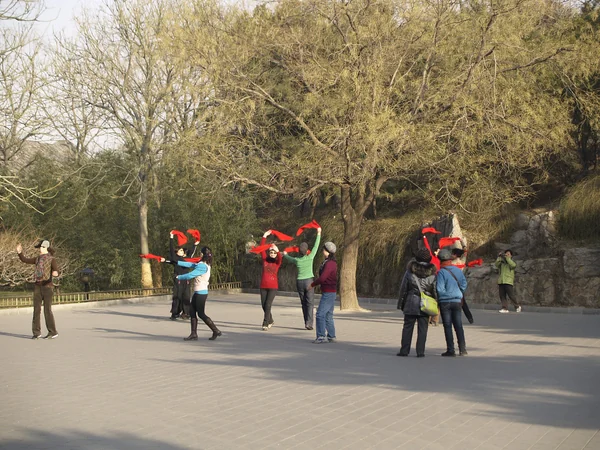
Family and group priorities should never erase individual consent.
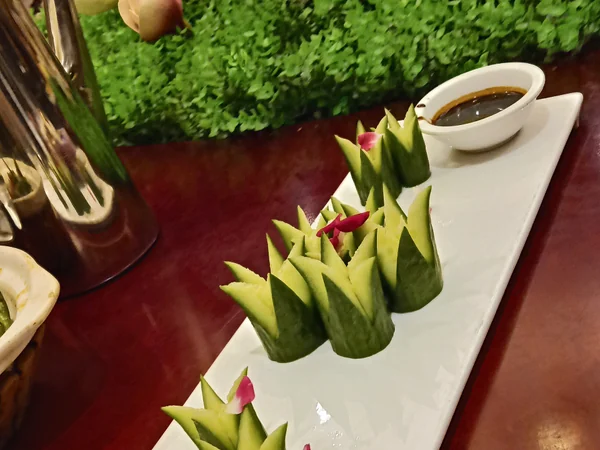
What you may notice: Many Chinese meals place shared dishes at the center, but individual portions, buffets and mixed formats are also common. Serving order, chopsticks and toasts differ by region, venue and occasion.
How to respond: Wait for the host's cue, use serving utensils when provided and state allergies before ordering. Alcohol is optional; a polite non-alcoholic toast is acceptable. Ask before moving dishes or paying for the table.
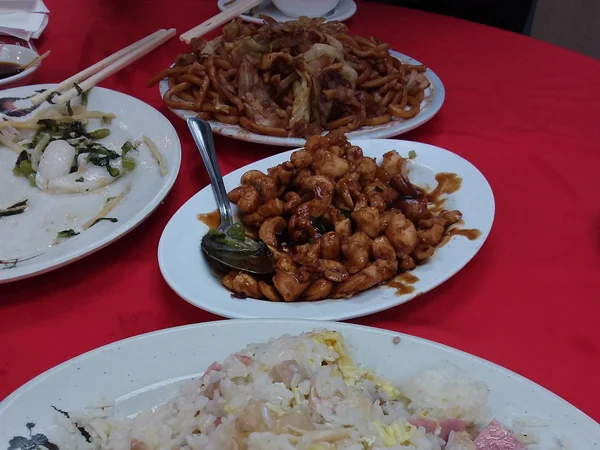
Shared dishes at a restaurant show one common format.
These scenarios are starting points, not promises about another person. If a behavior affects cost, schedule, privacy, health or safety, verify it directly. Fast-changing shopping and payment details are covered in our Chinese consumer behavior guide.
Choose museums, performances, workshops and hosted activities that explain place, date and community. Ask whether photography is allowed, whether participation is optional and how local contributors benefit. A guide can offer context while acknowledging uncertainty and variation.

Visitors near Yangshuo
Activities can be adjusted to your interests and mobility needs. Request a personal China itinerary with current venue rules and realistic travel times confirmed before departure.
Editorial accountability
Hu Lei, CEO. The named owner is responsible for travel-planning accuracy and escalation of time-sensitive checks.
Yuntian Travel (Yunnan) Group is identified in its corporate profile as a licensed professional inbound travel service provider based in Kunming, China. Registration and travel-service documents can be requested before booking.
Page-specific references where cited, official destination, transport and entry notices, YUNSKY route-planning records, and direct provider confirmation before a booking is finalized.
Content is reviewed when rules, transport, access, pricing or route conditions change. Final availability and operating details are reconfirmed for each traveler’s dates.
Quality review: Page updated: