Your China & Yunnan Travel Experts



Chinese consumer behavior changes quickly and cannot be reduced to “Chinese shoppers” versus “Western shoppers.” Age, income, city tier, product category, platform rules and whether a purchase is for oneself or as a gift all affect decisions. Official national data show that online retail remains a major part of China's market, but national totals do not predict what one visitor will see at a street stall or luxury mall. This August 2026 editorial review focuses on durable travel guidance and identifies fast-changing details that should be checked again before departure. For a broader framework, see our culture comparison guide.
Bargaining is venue-specific, not a national rule. A negotiable price may be normal at some souvenir markets, independent antique stalls or custom-service businesses. Fixed prices are usual in supermarkets, chain stores, department stores, pharmacies, museums and most restaurants. Online platforms may use coupons or time-limited promotions rather than face-to-face bargaining.
Look for printed prices, scan official shop information and ask “Is this the fixed price?” before negotiating. Stay friendly, compare the total specification and walk away calmly if it is not right for you. Aggressive pressure, counterfeit claims and switching products are consumer-protection concerns, not cultural experiences.
Large malls and branded shops normally use posted prices; request an itemized receipt.
Reviews can reduce uncertainty about quality, delivery, queue time or after-sales service, so their influence is not unique to China. On Chinese platforms, ratings, livestreams, creator recommendations and friends' group chats may all shape discovery. The importance of each source varies by category and consumer.
Treat reviews as evidence to evaluate, not a guarantee. Check recent dates, repeated wording, verified-purchase signals where available and the seller's return terms. A friend's recommendation may reveal trusted experience, but it may not fit your size, diet or budget.
Long queues can indicate popularity, limited production or a temporary promotion; they do not prove safety or quality. Check hygiene, allergens and your schedule before joining.
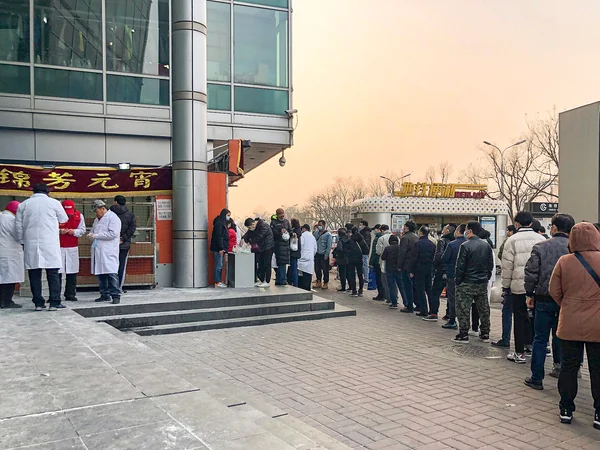
Customers queue for yuanxiao at a well-known Beijing snack shop.
Brand recognition can act as a shortcut for quality, status, design or after-sales support, but consumers also compare domestic labels, niche makers and value alternatives. The relevant question is what trust signal matters for this purchase: an authorized seller, food license, ingredient list, warranty, craft provenance or independent test.
For souvenirs, ask who made the item and where. For expensive goods, verify the authorized retailer, model number, tax document and return policy before payment. Never infer authenticity from a famous-looking logo alone.
China's National Bureau of Statistics continues to report online retail as a large national sales channel. Consumers may use large marketplaces, brand stores, social-commerce functions, local delivery services and travel booking apps. Platform names, interfaces and promotions change, so this page avoids claiming one service is always dominant.
Major promotion periods can influence pricing, inventory and delivery. Compare the final payable price rather than a headline discount, and read conditions for deposits, bundles, membership coupons and returns.

Singles' Day is one prominent promotion period, but sales mechanics vary by platform and year.
Marketplaces can offer comparison and buyer-protection tools, while official brand sites or stores may provide clearer warranty support. The safest choice depends on seller verification, delivery address and return needs. Book travel through a provider whose identity, inclusions and cancellation terms are clear. Yun Sky Travel publishes itinerary inclusions and can clarify what is arranged before payment.
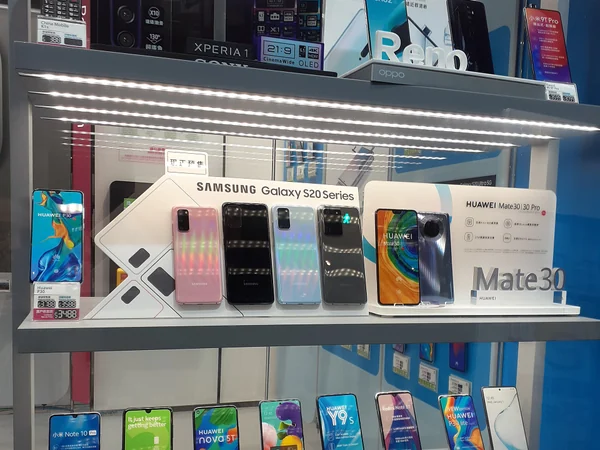
Young adults are visible in mobile-first retail and trend reporting, but they are not a single “lucrative generation,” and older consumers are also active online. Income and wealth are distributed unevenly across ages and regions. Segment claims should identify a dated source, product category and sample. For a visitor, it is more useful to compare the exact shop, product and terms than to guess what age group a campaign targets.
QR-based payment is widespread in many Chinese cities, and major apps have expanded options for international visitors. Setup steps, identity checks, card support, fees and transaction limits can change. Complete any required onboarding before travel, use official app stores, protect verification codes and test with a small payment.
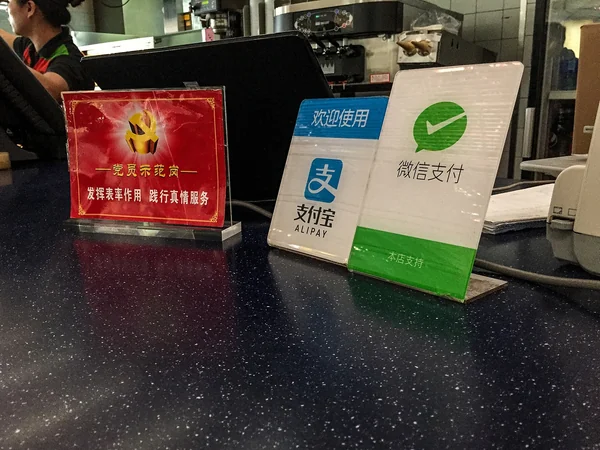
Alipay and WeChat Pay signs at a Beijing airport restaurant.
Carry more than one lawful payment method and some cash for contingencies. Ask the merchant which methods are accepted and keep receipts. A payment difficulty is usually a technical or merchant-policy issue, not evidence of a cultural divide. The traveler's cultural checklist explains the same observe-and-confirm method for other interactions. For a price or payment dispute, show the itemized amount and state the correction you need without accusing the staff member personally. Our guide to lian, mianzi and face offers practical language for questioning a price or correcting an error privately.
Choose markets for genuine interest, not because a driver or guide pressures you. Ask in advance whether any stop is commission-linked, how long it lasts and whether purchasing is optional. Keep passport and payment devices secure in crowded areas.
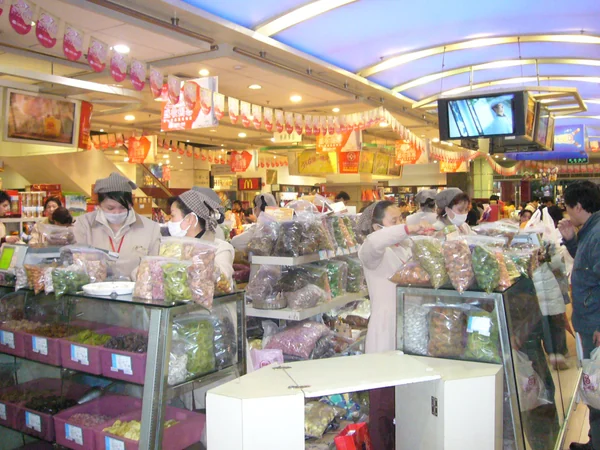
Browse crafts and local food on Chengdu's Jinli Old Street.
Explore more China tours with clearly stated sightseeing and optional shopping time. Tell us if you prefer no retail stops, need help checking an address or want an artisan workshop rather than a general market. Request a tailored itinerary based on your interests, pace and budget.
Editorial accountability
Hu Lei, CEO. The named owner is responsible for travel-planning accuracy and escalation of time-sensitive checks.
Yuntian Travel (Yunnan) Group is identified in its corporate profile as a licensed professional inbound travel service provider based in Kunming, China. Registration and travel-service documents can be requested before booking.
Page-specific references where cited, official destination, transport and entry notices, YUNSKY route-planning records, and direct provider confirmation before a booking is finalized.
Content is reviewed when rules, transport, access, pricing or route conditions change. Final availability and operating details are reconfirmed for each traveler’s dates.
Quality review: Page updated: