Your China & Yunnan Travel Experts



There is no single “Western education system,” and education in China also varies by province, school level, institution and program. Comparisons such as memorization versus creativity or teacher-led versus student-led may describe a classroom moment, but they do not define every learner. Curriculum, examinations, admission rules, class size, teacher training and family resources all matter. This August 2026 review focuses on stable structures and directs families to verify current policies with official institutions. Begin with our overview of education in China for school stages and terminology.
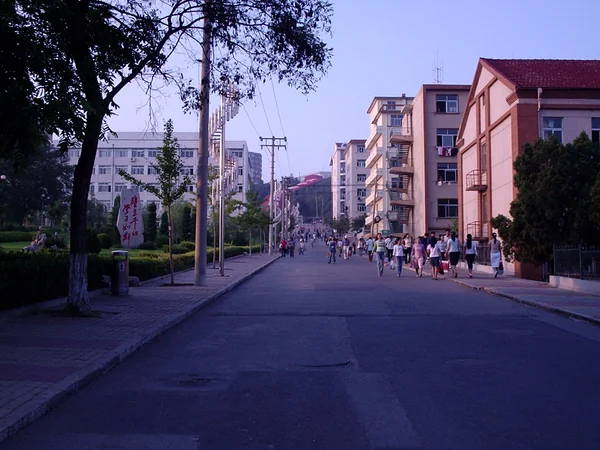
Chinese classrooms may use repetition, worked examples and close practice to build foundational knowledge. Those methods can support fluency; they do not exclude experiments, projects, discussion or creative work. Subject, exam stage and teacher all influence the mix.
Schools in Europe, North America and other Western regions also teach factual knowledge and use direct instruction. Inquiry and case-study methods vary by jurisdiction and resources. A fair comparison asks what students are learning, how feedback works and whether they can transfer knowledge to a new problem—not whether one classroom looks quiet.
Students in China complete both individual assignments and group activities. Collaboration can teach coordination, while independent work reveals each student's understanding. Neither method follows automatically from a culture being “collectivist.”
Western schools likewise mix group projects, seminars, laboratories and individual assessment. In any system, the quality of task design matters: responsibilities should be clear, participation should be accessible and individual contributions should be assessed fairly.
Teacher explanation remains important in many Chinese classrooms, especially when a large syllabus or examination is involved. Students may also ask questions, present projects and use digital tools. Silence can mean concentration, uncertainty or classroom convention; it should not be labeled a lack of critical thinking.
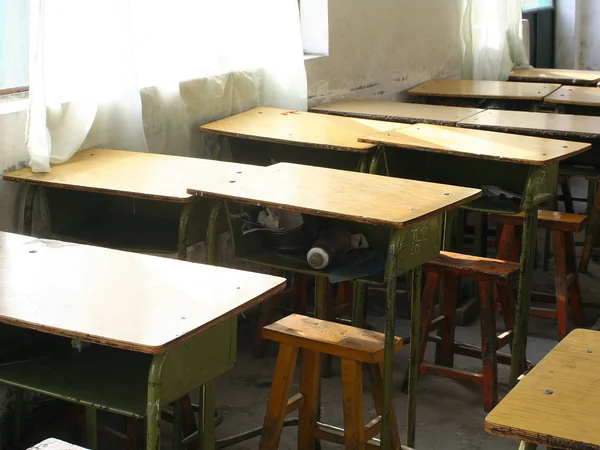
A classroom for migrant students in Beijing documents one educational setting.
Seminar-style participation is common in some Western programs, but lectures and high-stakes tests also exist. Participation marks can reward fluent speakers while disadvantaging others. Our thinking and communication guide explains why visible talk is not the only evidence of learning.
Examinations are prominent in China, and the Gaokao remains a major route into undergraduate education. Admission policies, subject combinations and special routes can change by province and year. Schools also use homework, practical tasks, school examinations and other evidence; “all assessment is one test” is inaccurate.
Western jurisdictions may combine leaving examinations, coursework, teacher grades, admissions tests, portfolios or interviews. The balance differs widely and can raise its own equity concerns. Families should check the current official criteria for the exact institution and intake rather than relying on a culture-comparison article.
Chinese students take part in sport, arts, science, clubs, tutoring and community activities in different combinations. Regulations affecting academic tutoring and school workload have changed in recent years, so old descriptions of late-night cram schools may be outdated or incomplete. Confirm current local rules.
Outside China, extracurricular access also depends on cost, transport, school funding and family time. Activities can build interest and social connection, but a crowded schedule is not automatically educational. Ask the child what they enjoy and protect rest, safety and age-appropriate choice.
Chinese families may invest heavily in schooling, yet goals range across academic, vocational, artistic and practical pathways. China's Family Education Promotion Law emphasizes parental responsibility and children's development; it should not be reduced to parental control or exam pressure.
Parents in Western societies also differ in praise, rules, homework support and school choice. Resources and expectations can matter more than nationality. Avoid judging a family from one conversation about grades.
Strong education combines knowledge, feedback, wellbeing and opportunity. When comparing systems, identify the school stage, location, date and evidence. The role of household care and expectation is discussed further in our family values guide.
A museum workshop, university tour or calligraphy class can add context to a family trip. A school visit requires institutional permission, safeguarding and clear photography consent; children should never become tourist attractions. Ask what visitors will learn and how the host institution benefits. request a tailored itinerary with age, learning goals and accessibility needs recorded in advance.
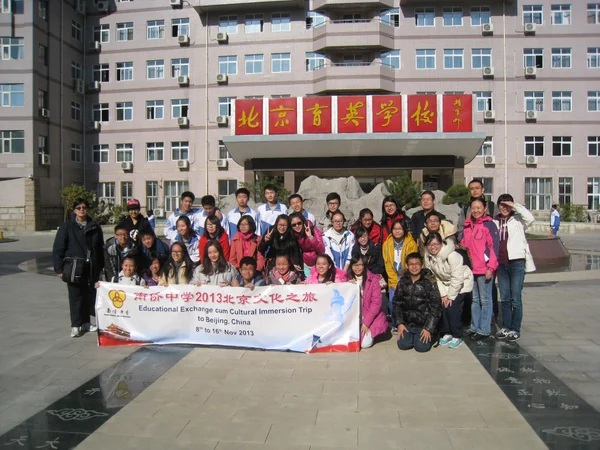
Students on a Beijing cultural immersion program.
Explore more family tours in China and ask which workshops are operating on your dates. Confirm instructor language, materials, duration, physical access, cancellation terms and whether photography is allowed.
Editorial accountability
Hu Lei, CEO. The named owner is responsible for travel-planning accuracy and escalation of time-sensitive checks.
Yuntian Travel (Yunnan) Group is identified in its corporate profile as a licensed professional inbound travel service provider based in Kunming, China. Registration and travel-service documents can be requested before booking.
Page-specific references where cited, official destination, transport and entry notices, YUNSKY route-planning records, and direct provider confirmation before a booking is finalized.
Content is reviewed when rules, transport, access, pricing or route conditions change. Final availability and operating details are reconfirmed for each traveler’s dates.
Quality review: Page updated: