Yardangs are streamlined ridges, towers and troughs carved mainly by wind abrasion and deflation in dry sedimentary terrain. China has extensive yardang fields in Xinjiang, Gansu and the Qaidam Basin, but their visitor access differs sharply. Wuerhe is a managed scenic area near Karamay; Bailongdui and Sanlongsha are associated with far more remote desert environments where navigation, communications, weather and current access controls matter more than a dramatic photograph. This guide keeps the original three-place sequence while replacing romantic “devil city” storytelling with geological context and practical decisions. Independent cross-desert travel should never be inferred from an old tourism article: verify the lawful route, local conditions and emergency support before departure. Continue with the Xinjiang destination guide when this landscape fits the wider route.
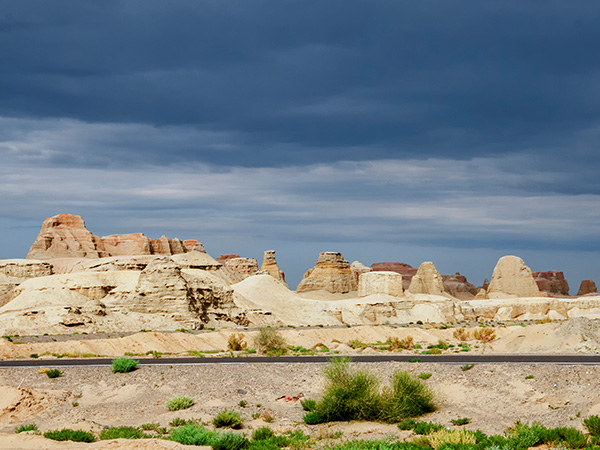
Wuerhe Ghost City near Karamay, Xinjiang
The strongest reason to include Wuerhe Ghost City near Karamay, Xinjiang is its specific regional context. Wuerhe near Karamay is the most straightforward of the three places for visitors, with wind-eroded mesas and towers presented through a managed scenic area. Karamay is the useful base, followed by road transfer and the scenic area's current internal route. Compare that commitment with other stops before adding another long transfer. Treat Wuerhe Ghost City near Karamay, Xinjiang as a desert-access decision: define the lawful approach road, communications coverage, vehicle support and turn-around point before departure. Remote yardang fields are geographic regions rather than guaranteed visitor parks, so current local authorization and a conservative weather plan take priority over completing a photographed route. Mongolian
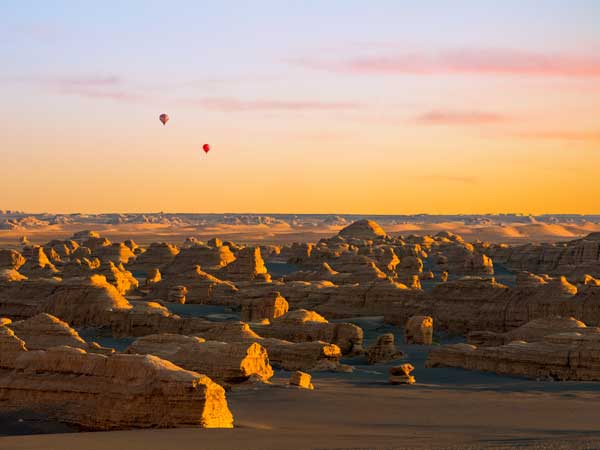
Bailongdui Yardang near Lop Nur
Bailongdui refers to pale yardang ridges in the Lop Nur region, an extremely arid and sparsely serviced environment. It is geographic context for most travelers, not a routine self-guided attraction. This distinction is central to choosing Bailongdui Yardang near Lop Nur within a wider yardang landforms in China itinerary. Old exploration stories do not establish public access; never promote artifact hunting, off-track driving or an unsupported crossing. Treat Bailongdui Yardang near Lop Nur as a desert-access decision: define the lawful approach road, communications coverage, vehicle support and turn-around point before departure. Remote yardang fields are geographic regions rather than guaranteed visitor parks, so current local authorization and a conservative weather plan take priority over completing a photographed route. Continue planning with the China Danxia landform guide.
Route planning for Bailongdui Yardang near Lop Nur should begin with purpose and travel time. Any lawful visit requires a verified route, locally qualified support and confirmation of current restrictions or protected zones. It is geographic context for most travelers, not a routine self-guided attraction. Old exploration stories do not establish public access; never promote artifact hunting, off-track driving or an unsupported crossing. Treat Bailongdui Yardang near Lop Nur as a desert-access decision: define the lawful approach road, communications coverage, vehicle support and turn-around point before departure. Remote yardang fields are geographic regions rather than guaranteed visitor parks, so current local authorization and a conservative weather plan take priority over completing a photographed route.
Conditions shape the experience at Bailongdui Yardang near Lop Nur. Heat, cold, wind, dust and poor communications create consequences far beyond ordinary scenic-area discomfort. Any lawful visit requires a verified route, locally qualified support and confirmation of current restrictions or protected zones. Recheck current forecasts, tickets and operating notices shortly before travel. Treat Bailongdui Yardang near Lop Nur as a desert-access decision: define the lawful approach road, communications coverage, vehicle support and turn-around point before departure. Remote yardang fields are geographic regions rather than guaranteed visitor parks, so current local authorization and a conservative weather plan take priority over completing a photographed route.
Traveler fit matters more than a superlative at Bailongdui Yardang near Lop Nur. It is geographic context for most travelers, not a routine self-guided attraction. Heat, cold, wind, dust and poor communications create consequences far beyond ordinary scenic-area discomfort. Old exploration stories do not establish public access; never promote artifact hunting, off-track driving or an unsupported crossing. Treat Bailongdui Yardang near Lop Nur as a desert-access decision: define the lawful approach road, communications coverage, vehicle support and turn-around point before departure. Remote yardang fields are geographic regions rather than guaranteed visitor parks, so current local authorization and a conservative weather plan take priority over completing a photographed route. A practical visit to Bailongdui Yardang near Lop Nur depends on realistic sequencing. Any lawful visit requires a verified route, locally qualified support and confirmation of current restrictions or protected zones. Heat, cold, wind, dust and poor communications create consequences far beyond ordinary scenic-area discomfort. Keep enough margin for weather, transfers and a change of plan. Treat Bailongdui Yardang near Lop Nur as a desert-access decision: define the lawful approach road, communications coverage, vehicle support and turn-around point before departure. Remote yardang fields are geographic regions rather than guaranteed visitor parks, so current local authorization and a conservative weather plan take priority over completing a photographed route.
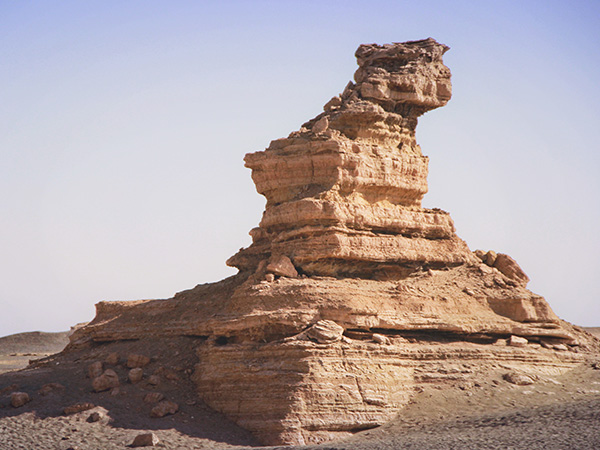
Sanlongsha Yardang near the Dunhuang–Lop Nur Region
YumenPass
The strongest reason to include Sanlongsha Yardang near the Dunhuang–Lop Nur Region is its specific regional context. Sanlongsha is used for yardang fields and dune terrain in the wider desert region east of Lop Nur, with English place-name boundaries that are not always consistent. Begin with current advice from a lawful local operator and distinguish public Yumen Pass attractions from remote desert routes. Compare that commitment with other stops before adding another long transfer. Treat Sanlongsha Yardang near the Dunhuang–Lop Nur Region as a desert-access decision: define the lawful approach road, communications coverage, vehicle support and turn-around point before departure. Remote yardang fields are geographic regions rather than guaranteed visitor parks, so current local authorization and a conservative weather plan take priority over completing a photographed route. Continue planning with the Silk Road tour route.
Sanlongsha is used for yardang fields and dune terrain in the wider desert region east of Lop Nur, with English place-name boundaries that are not always consistent. Treat it as a specialist desert-landscape subject rather than a guaranteed stop on every Dunhuang itinerary. This distinction is central to choosing Sanlongsha Yardang near the Dunhuang–Lop Nur Region within a wider yardang landforms in China itinerary. Do not repeat claims that relics can be picked up; archaeological material must remain in place and route access must be confirmed. Treat Sanlongsha Yardang near the Dunhuang–Lop Nur Region as a desert-access decision: define the lawful approach road, communications coverage, vehicle support and turn-around point before departure. Remote yardang fields are geographic regions rather than guaranteed visitor parks, so current local authorization and a conservative weather plan take priority over completing a photographed route. Route planning for Sanlongsha Yardang near the Dunhuang–Lop Nur Region should begin with purpose and travel time. Begin with current advice from a lawful local operator and distinguish public Yumen Pass attractions from remote desert routes. Treat it as a specialist desert-landscape subject rather than a guaranteed stop on every Dunhuang itinerary. Do not repeat claims that relics can be picked up; archaeological material must remain in place and route access must be confirmed. Treat Sanlongsha Yardang near the Dunhuang–Lop Nur Region as a desert-access decision: define the lawful approach road, communications coverage, vehicle support and turn-around point before departure. Remote yardang fields are geographic regions rather than guaranteed visitor parks, so current local authorization and a conservative weather plan take priority over completing a photographed route.