Your China & Yunnan Travel Experts



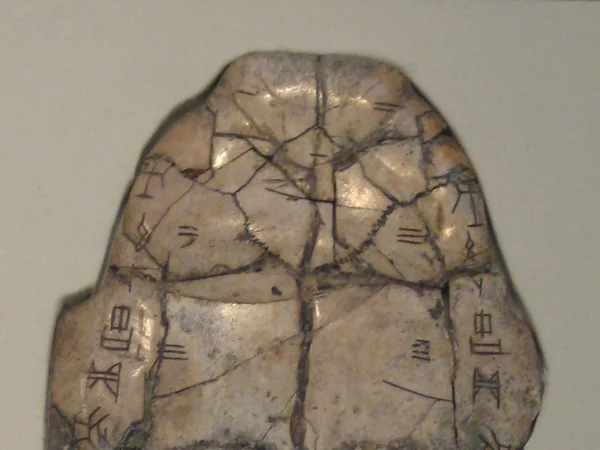
The Chinese word for dragon is lóng, written 龙 in simplified Chinese and 龍 in traditional Chinese. Dragon imagery appears in idioms, personal names, festival language, imperial vocabulary and modern brand names. A phrase containing 龙 is not automatically a compliment: some expressions praise energy or talent, others criticize empty enthusiasm, and older court terms belong to a historical hierarchy. Meanings come from complete phrases and situations, not from the character alone. This guide gives practical definitions, pinyin and usage cautions for learners.
Because dragons have long been associated with rain, power, transformation and auspicious energy, many phrases use 龙 to celebrate ambition or vigorous movement. These are cultural associations, not descriptions of a person's ancestry or guaranteed future. Decorative New Year couplets may favor grand, parallel wording that sounds more formal than everyday conversation. For the festivals and performances behind that imagery, read our Chinese dragon culture guide.
Dragon is also one of the twelve zodiac animals. Zodiac greetings may be especially common in a Dragon year, yet a person's sign changes at Lunar New Year rather than January 1. Avoid translating 龙 as a Western fire-breathing monster when the phrase refers to Chinese cosmology, an imperial object or a festival performance.
二龙腾飞 (èr lóng téng fēi) literally pictures two dragons soaring. It is a celebratory expression for two ventures, teams or places rising together. It is more at home in slogans, inscriptions and ceremonial congratulations than in neutral business reporting. If evidence matters, replace the metaphor with measurable growth.
龙腾四海 (lóng téng sì hǎi), “a dragon surging across the four seas,” evokes wide influence and expansive success. It is poetic and promotional. Do not translate 四海 mechanically as four named oceans; in classical-style phrasing it can suggest the world or all directions.
鱼跃龙门 (yú yuè lóng mén), “a fish leaps the Dragon Gate,” describes advancement achieved through effort, often in study or career. The associated legend says a carp that clears the difficult gate transforms into a dragon. The idiom can congratulate success, but avoid implying that one exam result defines a person's worth.
生龙活虎 (shēng lóng huó hǔ), literally “lively dragon and vigorous tiger,” describes energetic people or a bustling scene. It is common praise for vitality. It should not be used to dismiss fatigue or illness; in ordinary speech, context and the listener's condition still matter.
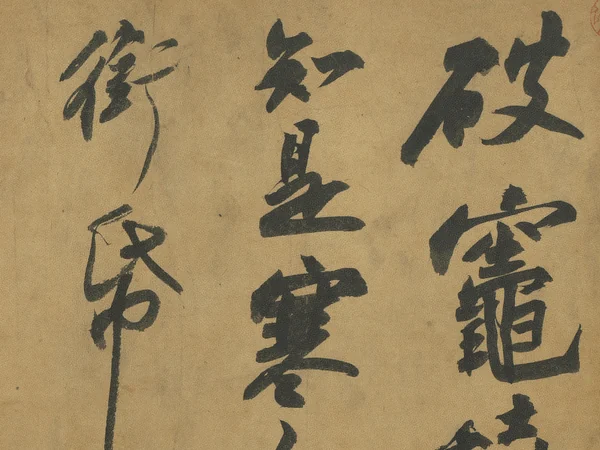
Dragon idioms often pair 龙 with tiger, phoenix, clouds or water. The combinations draw on established symbolic relationships, but modern usage may be broader than the older story. Learners should memorize tone marks and the whole four-character unit, then check a current dictionary example. Calligraphic styles can also change the appearance of 龍 dramatically; our Chinese calligraphy and painting guide explains script traditions without treating decorative forms as new characters.
降龙伏虎 (xiáng lóng fú hǔ), “subdue the dragon and tame the tiger,” praises exceptional power or the ability to overcome formidable difficulties. In religious contexts it may carry more specific associations; in general writing it is strongly figurative and grand in tone.
龙腾虎跃 (lóng téng hǔ yuè), “dragons surge and tigers leap,” conveys vigorous collective action. It can describe sports, construction or a dynamic public scene. Like many set phrases, it sounds vivid but not statistically precise.
麟凤龟龙 (lín fèng guī lóng) lists four auspicious or extraordinary creatures: qilin, phoenix, tortoise and dragon. Historical interpretations vary. It can evoke rare worthies or exemplary things, but it is uncommon in daily conversation and needs context rather than a word-for-word translation.
卧虎藏龙 (wò hǔ cáng lóng), “crouching tiger, hidden dragon,” refers to unrecognized talent or remarkable people concealed in an ordinary setting. The phrase became internationally familiar through the film title Crouching Tiger, Hidden Dragon. In real use it praises a group or place, not secret mythical animals.
Some dragon vocabulary referred specifically to the emperor, palace or dynastic court. Such terms document political symbolism; they are not general descriptions for modern officials. Museum labels may retain them because they help identify an object's intended rank and setting.
龙颜大怒 (lóng yán dà nù), “the dragon countenance was greatly angered,” is an old, literary way to say the emperor became furious. It sounds archaic or humorous outside historical writing.
龙雏凤种 (lóng chú fèng zhǒng) refers to offspring of exceptional or noble lineage, literally a dragon's young and phoenix stock. Because it carries hereditary and status assumptions, use it mainly when explaining older literature.
龙驭上宾 (lóng yù shàng bīn) is a euphemistic classical expression for an emperor's death. It is rare and unsuitable as a casual substitute for ordinary bereavement language.
飞龙在天 (fēi lóng zài tiān), “the flying dragon is in heaven,” comes from the Qian hexagram tradition of the Yijing. Later political readings linked it with a ruler in full power. Quotations should identify that textual context rather than presenting it as a free-standing prediction.
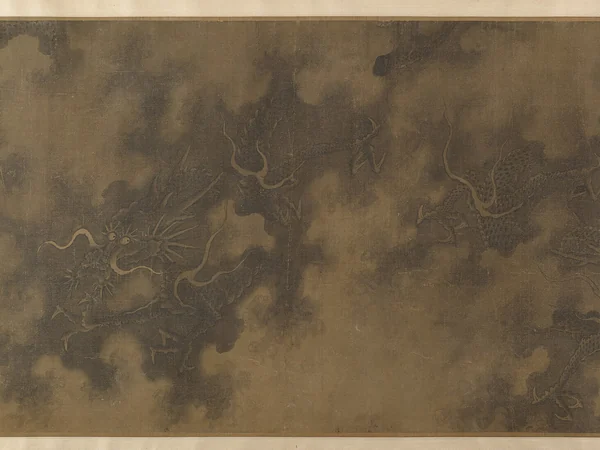
画龙点睛 (huà lóng diǎn jīng), “paint the dragon and dot the eyes,” means adding the decisive finishing touch that brings a work to life. A famous anecdote attributes the image to painter Zhang Sengyou: when eyes were added, dragons came alive. Treat the tale as literary tradition, not a documented supernatural event. In modern writing the idiom is positive when the final detail genuinely clarifies or completes the work.
叶公好龙 (Yè Gōng hào lóng), “Lord Ye loves dragons,” criticizes someone who claims enthusiasm but recoils when confronted with the real thing. The story is associated with Han-period philosophical literature and survives in later retellings. The lesson concerns performative interest or preference for an idealized image. To follow how the visual motif changed alongside such texts, see the history of Chinese dragons.
Editorial accountability
Hu Lei, CEO. The named owner is responsible for travel-planning accuracy and escalation of time-sensitive checks.
Yuntian Travel (Yunnan) Group is identified in its corporate profile as a licensed professional inbound travel service provider based in Kunming, China. Registration and travel-service documents can be requested before booking.
Page-specific references where cited, official destination, transport and entry notices, YUNSKY route-planning records, and direct provider confirmation before a booking is finalized.
Content is reviewed when rules, transport, access, pricing or route conditions change. Final availability and operating details are reconfirmed for each traveler’s dates.
Quality review: Page updated: