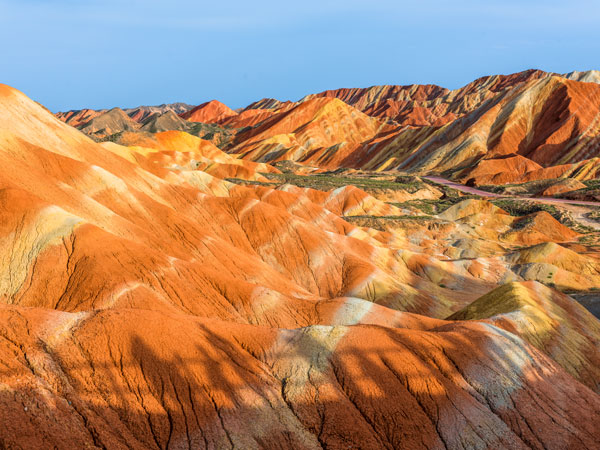
Danxia is a family of erosion landscapes developed in red continental sedimentary rocks; it is not one identical mountain type repeated across China. Humid southern sites tend to combine red cliffs with forest, rivers and waterfalls, while arid Zhangye is better known for exposed, multicolored bedding. UNESCO's serial China Danxia property covers six component areas, but not every place called Danxia belongs to that inscription. The seven stops retained here therefore need to be compared by landscape, heritage status, climate and transport rather than treated as one ranking. For most overseas visitors, the best choice is the site that connects naturally with an existing Guangdong, Fujian, Jiangxi, Guangxi, Gansu or Guizhou itinerary. Continue with the Zhangye Danxia visitor guide when this landscape fits the wider route.
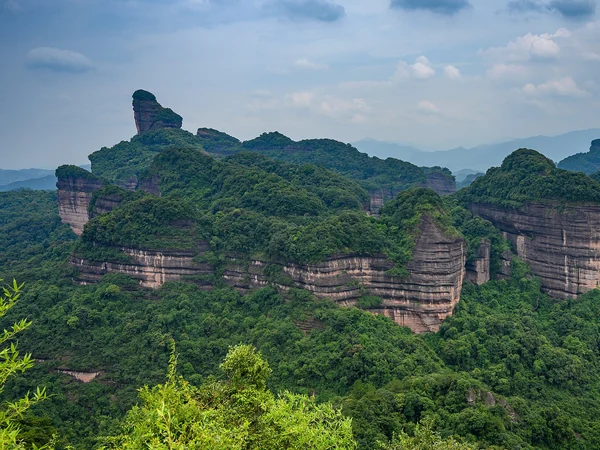
1. Danxia Mountain, Guangdong
Danxia Mountain
A practical visit to 1. Danxia Mountain, Guangdong depends on realistic sequencing. Shaoguan is the practical rail gateway; confirm which park entrance and internal transport serve the planned circuit. Warm, humid conditions support dense vegetation, but summer heat and rain can make stairs slippery and views hazy. Keep enough margin for weather, transfers and a change of plan.

The strongest reason to include 2. Mount Wuyi, Fujian is its specific regional context. Mount Wuyi combines Danxia-style cliffs, the Nine-bend Stream, tea landscapes and a separate UNESCO mixed cultural-and-natural heritage identity. Wuyishan has rail and air connections, followed by scenic shuttles between dispersed sectors. Compare that commitment with other stops before adding another long transfer.
Mount Wuyi combines Danxia-style cliffs, the Nine-bend Stream, tea landscapes and a separate UNESCO mixed cultural-and-natural heritage identity. Choose it for a landscape-and-culture stay rather than a quick red-rock photo stop. This distinction is central to choosing 2. Mount Wuyi, Fujian within a wider Danxia landforms in China itinerary. Mount Wuyi is not one of the six components of the UNESCO China Danxia serial property, so the two heritage designations should remain distinct.

3. Taining and Dajin Lake, Fujian
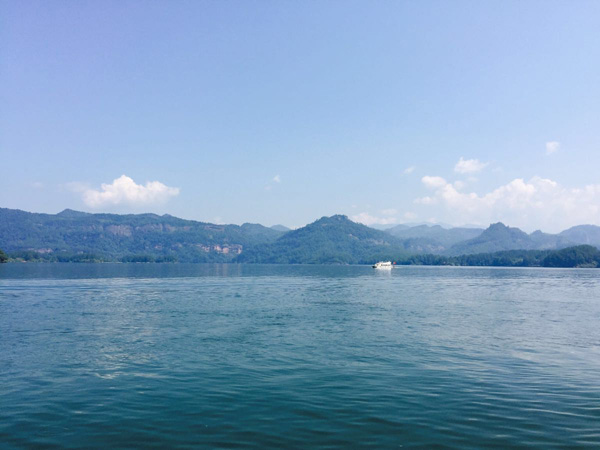
Dajin Lake Route planning for 3. Taining and Dajin Lake, Fujian should begin with purpose and travel time. Use Taining as the local base and confirm the correct boarding point, scenic shuttle and seasonal route operation. The area rewards a slower visit that combines a boat-based lake sector with at least one land or stream landscape. Older pages often overstate completeness or size; focus instead on the combination of landform stages and visitor perspectives.
Conditions shape the experience at 3. Taining and Dajin Lake, Fujian. Water, rain and visibility influence which routes feel worthwhile, while humid summers require sun and storm planning. Use Taining as the local base and confirm the correct boarding point, scenic shuttle and seasonal route operation. Recheck current forecasts, tickets and operating notices shortly before travel.
Traveler fit matters more than a superlative at 3. Taining and Dajin Lake, Fujian. The area rewards a slower visit that combines a boat-based lake sector with at least one land or stream landscape. Water, rain and visibility influence which routes feel worthwhile, while humid summers require sun and storm planning. Older pages often overstate completeness or size; focus instead on the combination of landform stages and visitor perspectives.
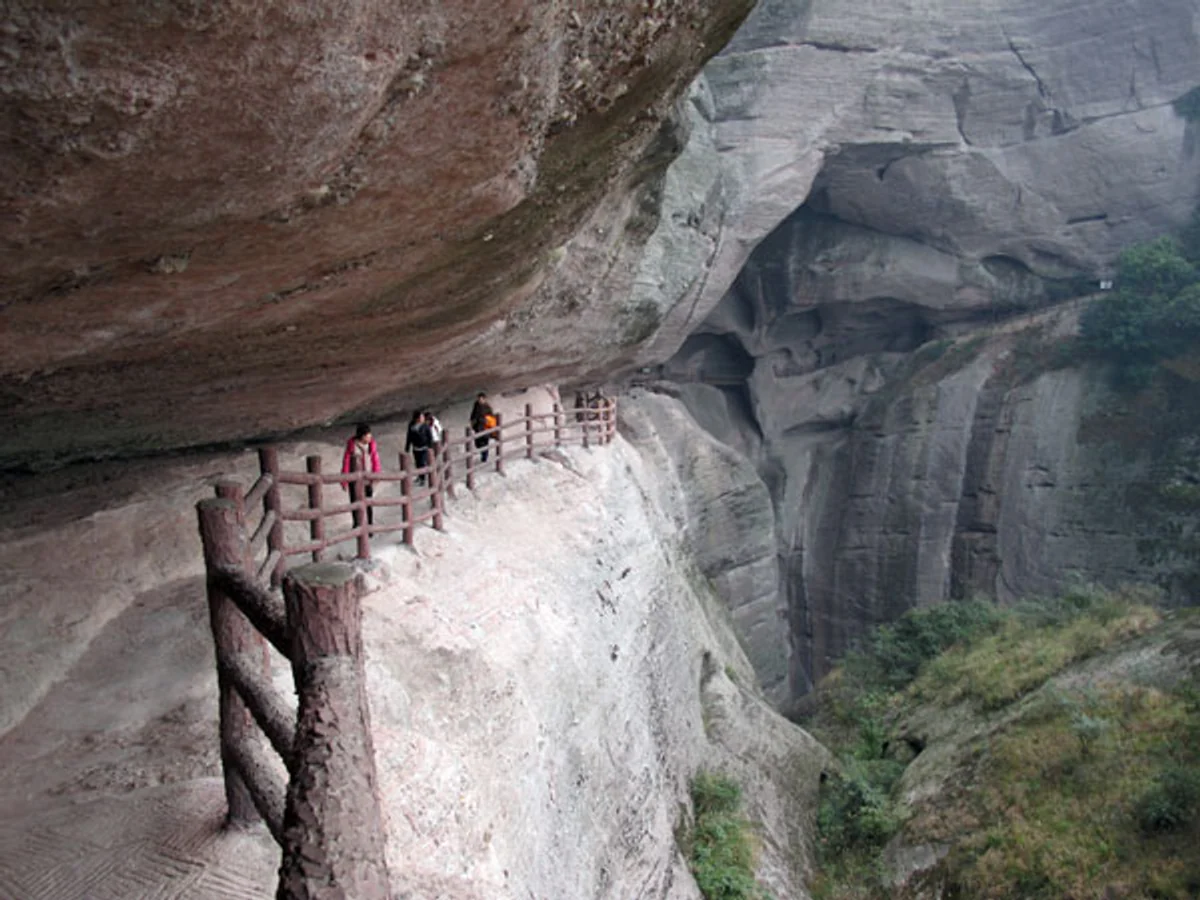
For responsible landscape travel at 4. Mount Longhu, Jiangxi, use the established visitor route and understand what the place represents. Mount Longhu is a China Danxia component near Yingtan, known for red cliffs along the Luxi River and a strong Taoist cultural setting. Cliff-burial and religious themes deserve careful interpretation rather than sensational retelling. It fits travelers who prefer a lower-effort combination of boat scenery, short walks and heritage interpretation. Continue planning with the
China yardang landform guide.
The strongest reason to include 4. Mount Longhu, Jiangxi is its specific regional context. Mount Longhu is a China Danxia component near Yingtan, known for red cliffs along the Luxi River and a strong Taoist cultural setting. Yingtan is the regional gateway; confirm the live scenic map because river landings and bus stops are not interchangeable. Compare that commitment with other stops before adding another long transfer.

Route planning for 1. Danxia Mountain, Guangdong should begin with purpose and travel time. Shaoguan is the practical rail gateway; confirm which park entrance and internal transport serve the planned circuit. It suits travelers who want red cliffs, river scenery and a developed mountain park within a northern Guangdong route. Do not confuse the whole geopark with one summit, and verify current boats, cableways, trail closures and last-entry times.
Conditions shape the experience at 5. Bajiaozhai, Guangxi–Hunan Border. Humidity, cloud and wet steps affect both visibility and walking difficulty. Decide in advance whether the route starts from the Guangxi or Hunan side because gateways and ticket systems can differ. Recheck current forecasts, tickets and operating notices shortly before travel.
A practical visit to 6. Zhangye Danxia, Gansu depends on realistic sequencing. Zhangye is the gateway and the scenic area uses controlled entrances, boardwalks and shuttle buses. Low-angle light can reveal layering, while rain, dust and cloud affect color; no exact “best light” is guaranteed. Keep enough margin for weather, transfers and a change of plan.
The strongest reason to include 7. Chishui Danxia, Guizhou is its specific regional context. Chishui is a forested China Danxia component where red cliffs, waterfalls, ravines and subtropical vegetation share the landscape. Chishui's attractions are dispersed, so road time and the choice of one or two scenic sectors matter. Compare that commitment with other stops before adding another long transfer. Continue planning with the
Silk Road tour route.
Chishui is a forested China Danxia component where red cliffs, waterfalls, ravines and subtropical vegetation share the landscape. It suits travelers who value green scenery and water features more than exposed multicolored rock. This distinction is central to choosing 7. Chishui Danxia, Guizhou within a wider Danxia landforms in China itinerary. Do not promise one continuous park experience or permanent waterfall volume; confirm road, shuttle and trail conditions locally.