A nature reserve is managed first for protection, not as a promise that every habitat is open to sightseeing. These five landscapes differ in legal designation, public facilities, altitude and conservation sensitivity. The original sequence is preserved, but the page now separates broad protected regions from visitable scenic sectors and makes clear that wildlife encounters, road access and seasonal openings must never be guaranteed. Continue planning with the
panda reserves in China.
1. Everest Region Protected Areas
For itinerary planning, Ordinary visitors use authorized Tibet roads and designated viewpoints rather than entering mountaineering or ecological core zones. Stage the route through Lhasa and Shigatse with current permits. Extreme altitude, wind, snow and cloud require acclimatization and flexibility. Do not equate a base-camp visit with climbing access or guarantee an Everest view. Shigatse
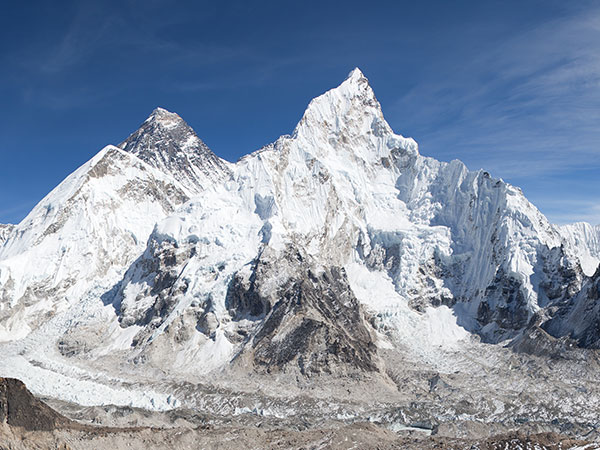
Mount Everest The Qomolangma protected landscape around Everest conserves high mountain, glacier and plateau ecosystems. The practical visitor decision is clear: Ordinary visitors use authorized Tibet roads and designated viewpoints rather than entering mountaineering or ecological core zones. Stage the route through Lhasa and Shigatse with current permits. Do not equate a base-camp visit with climbing access or guarantee an Everest view.
Conditions matter as much as scenery. Extreme altitude, wind, snow and cloud require acclimatization and flexibility. Stage the route through Lhasa and Shigatse with current permits. The Qomolangma protected landscape around Everest conserves high mountain, glacier and plateau ecosystems. Do not equate a base-camp visit with climbing access or guarantee an Everest view.
2. Qinghai Hoh Xil
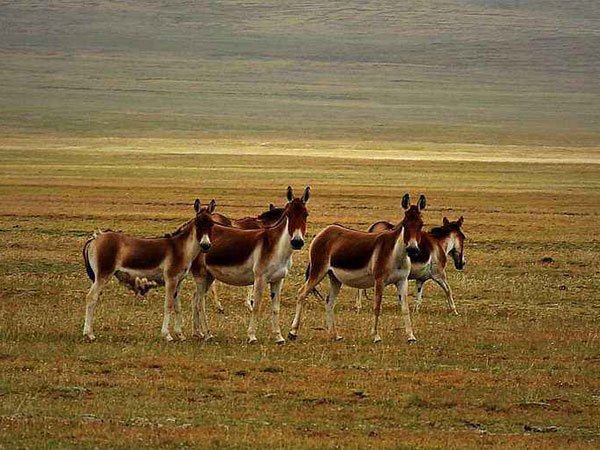
UNESCO recognizes Qinghai Hoh Xil for its alpine steppe, high-altitude lake basins and complete Tibetan antelope migration route. Its conservation value and remoteness make it unsuitable for casual independent off-road exploration. Much of the landscape lies above 4,500 meters with severe cold and limited support. Never pursue antelope, leave the road in protected habitat or market wildlife encounters as guaranteed. Continue planning with the giant panda travel guide.
For itinerary planning, Its conservation value and remoteness make it unsuitable for casual independent off-road exploration. Use lawful transport corridors and designated observation opportunities only. Much of the landscape lies above 4,500 meters with severe cold and limited support. Never pursue antelope, leave the road in protected habitat or market wildlife encounters as guaranteed.
3. Hubei Shennongjia
Shennongjia National Nature Reserve UNESCO's Hubei Shennongjia property protects major primary forest and biodiversity across two components in central China. The practical visitor decision is clear: It offers the most conventional managed nature-tourism experience in this list through public scenic sectors. Use Muyu or another current gateway and follow shuttle and trail arrangements. Separate scientific biodiversity value from folklore and do not repeat unsupported “wild man” claims as fact.
Conditions matter as much as scenery. Mountain fog, rain, snow and large elevation changes can alter roads and trails. Use Muyu or another current gateway and follow shuttle and trail arrangements. UNESCO's Hubei Shennongjia property protects major primary forest and biodiversity across two components in central China. Separate scientific biodiversity value from folklore and do not repeat unsupported “wild man” claims as fact.

4. Wolong and the Sichuan Giant Panda Sanctuaries
Wolong National Nature reserve
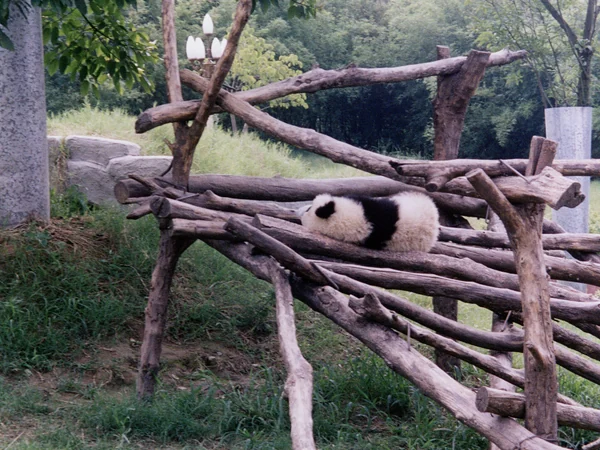
Wolong is part of the wider UNESCO-listed Sichuan Giant Panda Sanctuaries, a connected mountain habitat rather than simply a panda-display venue. Travelers should distinguish habitat conservation, research facilities and public panda bases. Earthquake-prone mountain roads, rain and seasonal maintenance can affect access. A captive panda visit does not guarantee wild sightings, and old facility names or opening details require confirmation.
Wolong Giant Panda Center
5. Fanjingshan
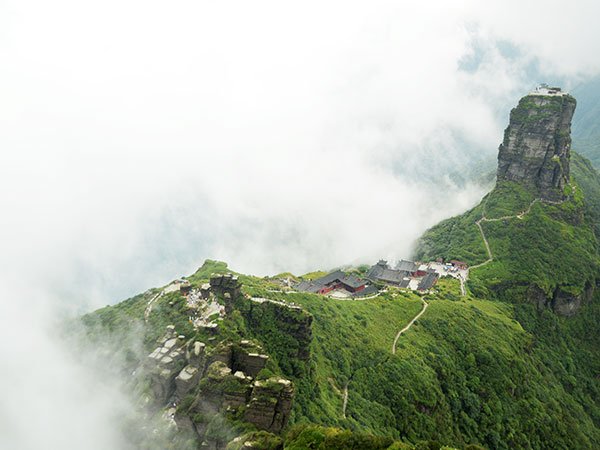
For itinerary planning, It suits travelers comfortable with park shuttles, cableways or many stairs, depending on the open route. Use Tongren-area transport and reserve according to current rules. Fog, rain, ice and crowd controls can change summit access. The Guizhou snub-nosed monkey is conservation context, not a sighting promise; compare habitats without assuming sightings. Continue planning with the wetlands in China. is situated at the junction of Jangkou, Yinjiang and Songtao Fanjingshan is a UNESCO natural World Heritage property in Guizhou with strong elevation zonation, endemic species and distinctive metamorphic peaks. The practical visitor decision is clear: It suits travelers comfortable with park shuttles, cableways or many stairs, depending on the open route. Use Tongren-area transport and reserve according to current rules. The Guizhou snub-nosed monkey is conservation context, not a sighting promise; compare habitats without assuming sightings.
Conditions matter as much as scenery. Fog, rain, ice and crowd controls can change summit access. Use Tongren-area transport and reserve according to current rules. Fanjingshan is a UNESCO natural World Heritage property in Guizhou with strong elevation zonation, endemic species and distinctive metamorphic peaks. The Guizhou snub-nosed monkey is conservation context, not a sighting promise; compare habitats without assuming sightings.
Use 5. Fanjingshan as a specific regional choice, not a checklist item. It suits travelers comfortable with park shuttles, cableways or many stairs, depending on the open route. Fog, rain, ice and crowd controls can change summit access. Use Tongren-area transport and reserve according to current rules. The Guizhou snub-nosed monkey is conservation context, not a sighting promise; compare habitats without assuming sightings.