Wetlands are dynamic systems rather than fixed blue areas on a map. Water level, migration timing, vegetation, tides and visitor zoning can transform the same place across the year. The ten original wetlands are retained, but this guide distinguishes plateau peatland, river delta, reed marsh, floodplain, urban wetland park and mangrove habitat so travelers can choose by purpose and conservation sensitivity. Continue planning with the
largest lakes in China.
Wetlands store and move water, support wildlife and often change dramatically with flood, tide, freezing or migration cycles. The practical visitor decision is clear: Choose by habitat and season rather than a beauty ranking. Use designated hides, boardwalks and current reserve rules. Keep distance from wildlife and avoid playback, feeding, drones or entry into closed habitat.
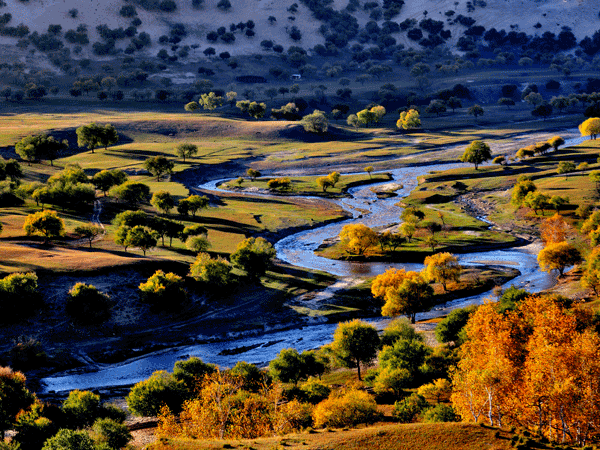
Use 2. Bayanbulak Wetland as a specific regional choice, not a checklist item. It suits a longer Ili–Tianshan route and is known for broad sunset landscapes rather than close wildlife guarantees. Cold, wind, road controls and seasonal opening affect visits. Use current scenic shuttles and documentation requirements. Respect closed breeding areas and do not leave viewing platforms for a photograph.
For itinerary planning, It is best for specialist wetland and bird interests using a named reserve or public center. Select a specific accessible reserve instead of treating the entire plain as one attraction. Migration, freezing and water management create strong seasonal variation. Access to conservation cores and agricultural land is restricted.
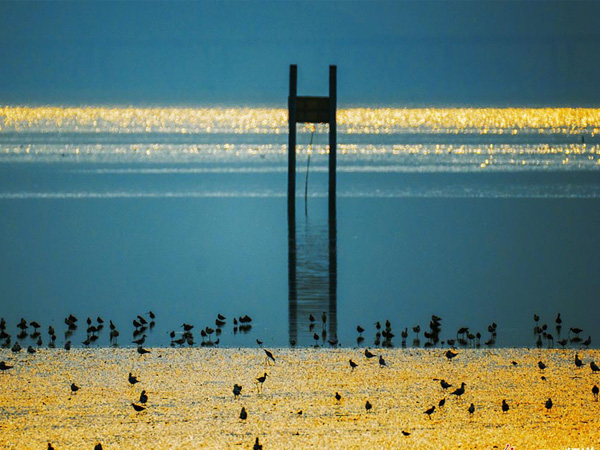
Conditions matter as much as scenery. Tides, river discharge, wind and migration timing affect the day. Use the managed ecotourism area and current shuttle or road arrangements. The Yellow River Delta near Dongying combines newly formed land, reedbeds, mudflats and coastal habitats. Do not approach nesting or resting birds, and avoid claiming a fixed coastline.
Use 4. Yellow River Delta Wetland as a specific regional choice, not a checklist item. It suits birding, landscape photography and understanding sediment-driven delta change. Tides, river discharge, wind and migration timing affect the day. Use the managed ecotourism area and current shuttle or road arrangements. Do not approach nesting or resting birds, and avoid claiming a fixed coastline.
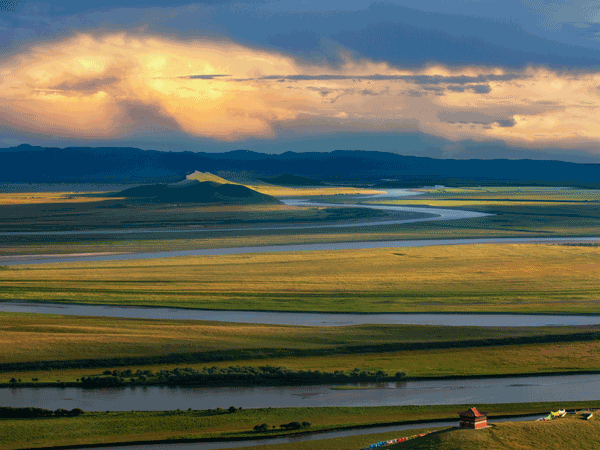
5. Zhalong Wetland
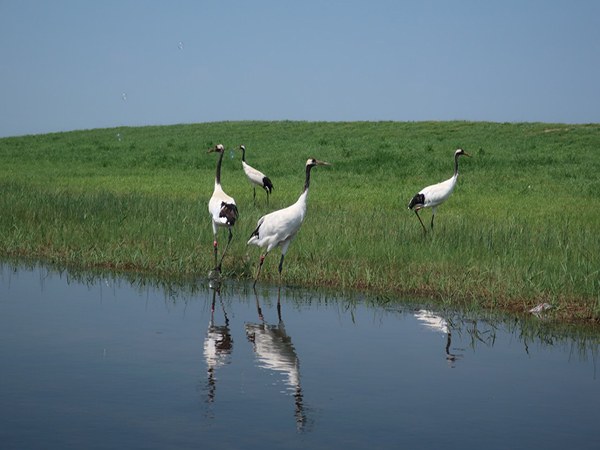
Zhalong Wetland Wetlands store and move water, support wildlife and often change dramatically with flood, tide, freezing or migration cycles. Choose by habitat and season rather than a beauty ranking. Birds and flowering vegetation are never guaranteed. Keep distance from wildlife and avoid playback, feeding, drones or entry into closed habitat. Continue planning with the Poyang Lake crane photography.
For itinerary planning, Choose by habitat and season rather than a beauty ranking. Use designated hides, boardwalks and current reserve rules. Birds and flowering vegetation are never guaranteed. Keep distance from wildlife and avoid playback, feeding, drones or entry into closed habitat.
Conditions matter as much as scenery. Birds and flowering vegetation are never guaranteed. Use designated hides, boardwalks and current reserve rules. Wetlands store and move water, support wildlife and often change dramatically with flood, tide, freezing or migration cycles. Keep distance from wildlife and avoid playback, feeding, drones or entry into closed habitat.

7. Erguna Wetland
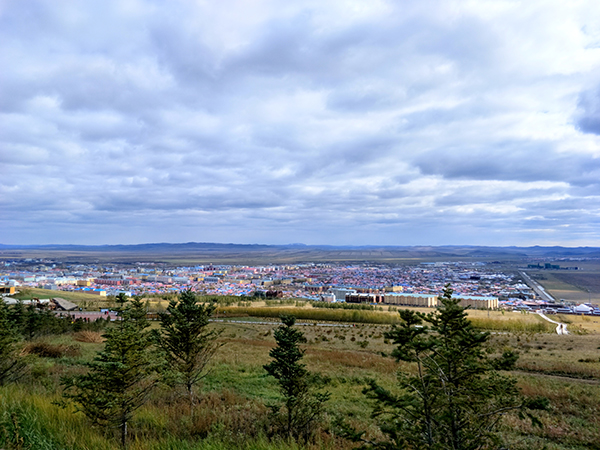
8. Xixi National Wetland Park
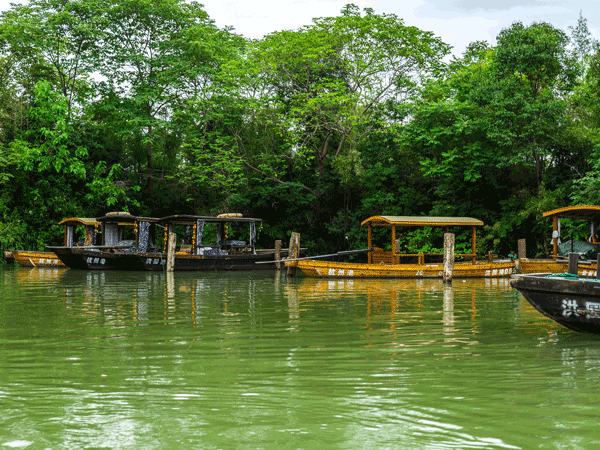
9. Shenzhen Bay Mangroves
10. Xinghu Wetland Park
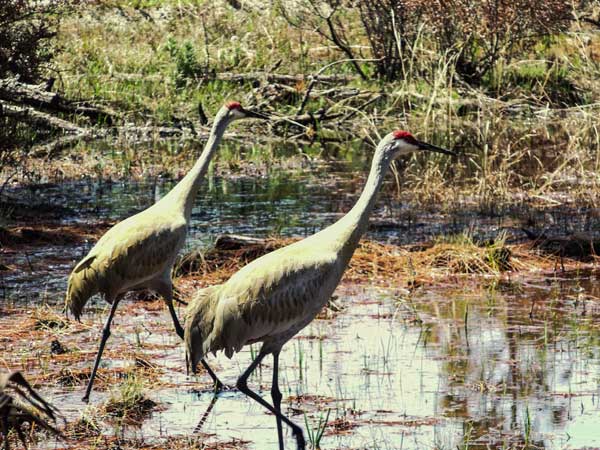
Conditions matter as much as scenery. Birds and flowering vegetation are never guaranteed. Use designated hides, boardwalks and current reserve rules. Wetlands store and move water, support wildlife and often change dramatically with flood, tide, freezing or migration cycles. Keep distance from wildlife and avoid playback, feeding, drones or entry into closed habitat. Continue planning with the
nature reserves in China.