China does not have one economic center for every function. Hong Kong and Shanghai both connect China with global finance, trade and professional services, but they operate under different legal, monetary and border systems and anchor different regional networks. Hong Kong is closely tied to the Greater Bay Area, while Shanghai anchors the Yangtze River Delta and mainland financial markets. Beijing remains central to national policy and headquarters, and Shenzhen is a major technology and manufacturing center, so the two cities on this page are not a complete national ranking. Travelers should compare city experience, business purpose and routing rather than treating Hong Kong and Shanghai as substitutes. A combined itinerary is possible by air or high-speed rail connections through the wider network, but it requires separate attention to border eligibility, currency, mobile connectivity and payment setup. Continue planning with the
Beijing destination guide.
Hong Kong: International Finance and Trade Gateway
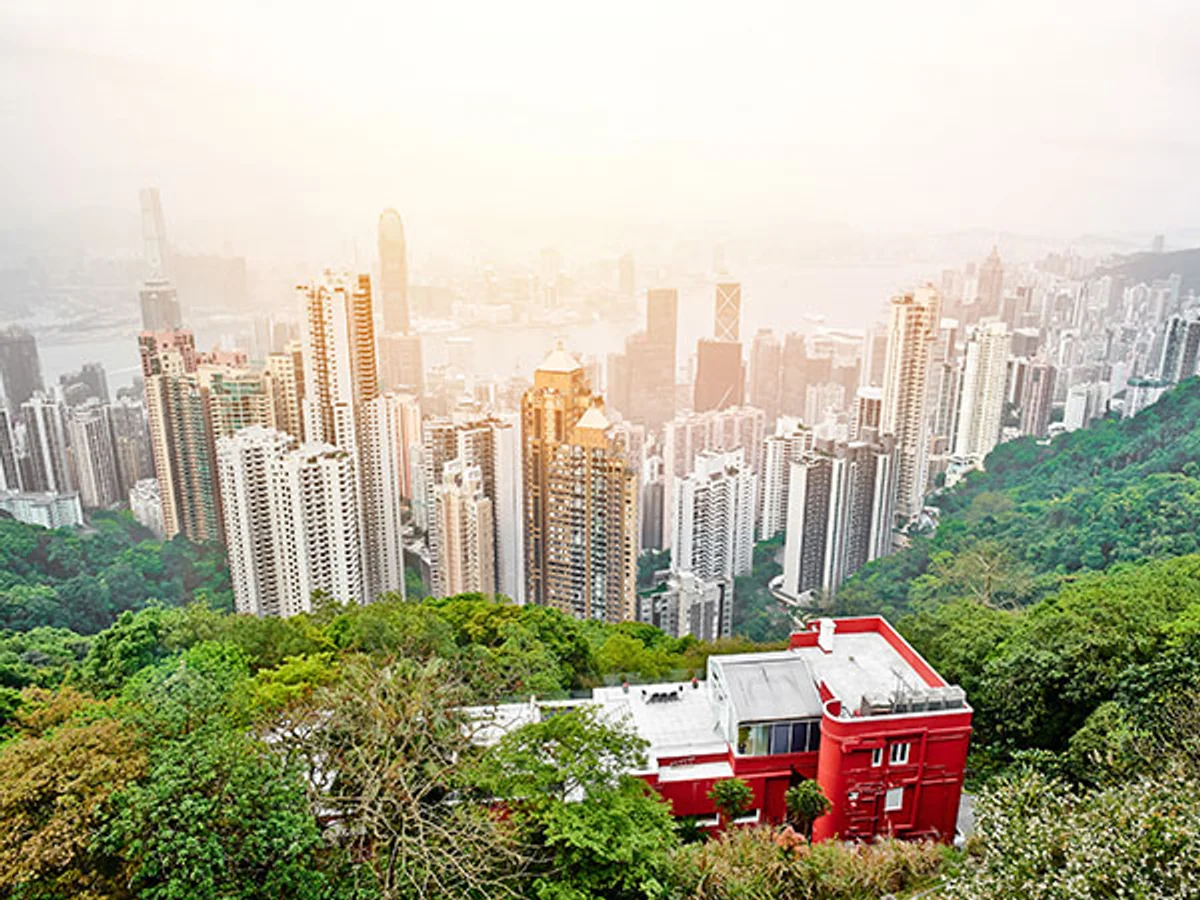
Hong Kong links global finance, professional services, logistics and the Greater Bay Area under its own currency and legal system. Central and Admiralty concentrate financial and government functions, while Kowloon and the New Territories add logistics, retail, research and cross-boundary connections. The harbor, historic commercial districts and public-transport network also make the city legible to a short-stay visitor. Choose it when cross-border services, an international transport hub or the Pearl River Delta is central to the trip. A business visit can still include the Peak, harborfront and neighborhood food, but meeting locations should be grouped by side of the harbor. Travelers connecting to Shenzhen or Guangzhou need to identify the exact border or rail process rather than assuming one seamless local journey. The practical experience in Hong Kong: International Finance and Trade Gateway depends on district, season and current operating arrangements. Allow for mainland border procedures and treat Hong Kong and mainland payment, mobile and entry arrangements separately. Keep dated transport and event information because exhibitions can tighten hotel demand. Continue planning with the
Shanghai destination guide.
Hong Kong Stock Exchage
Shanghai: Mainland Financial and Commercial Hub
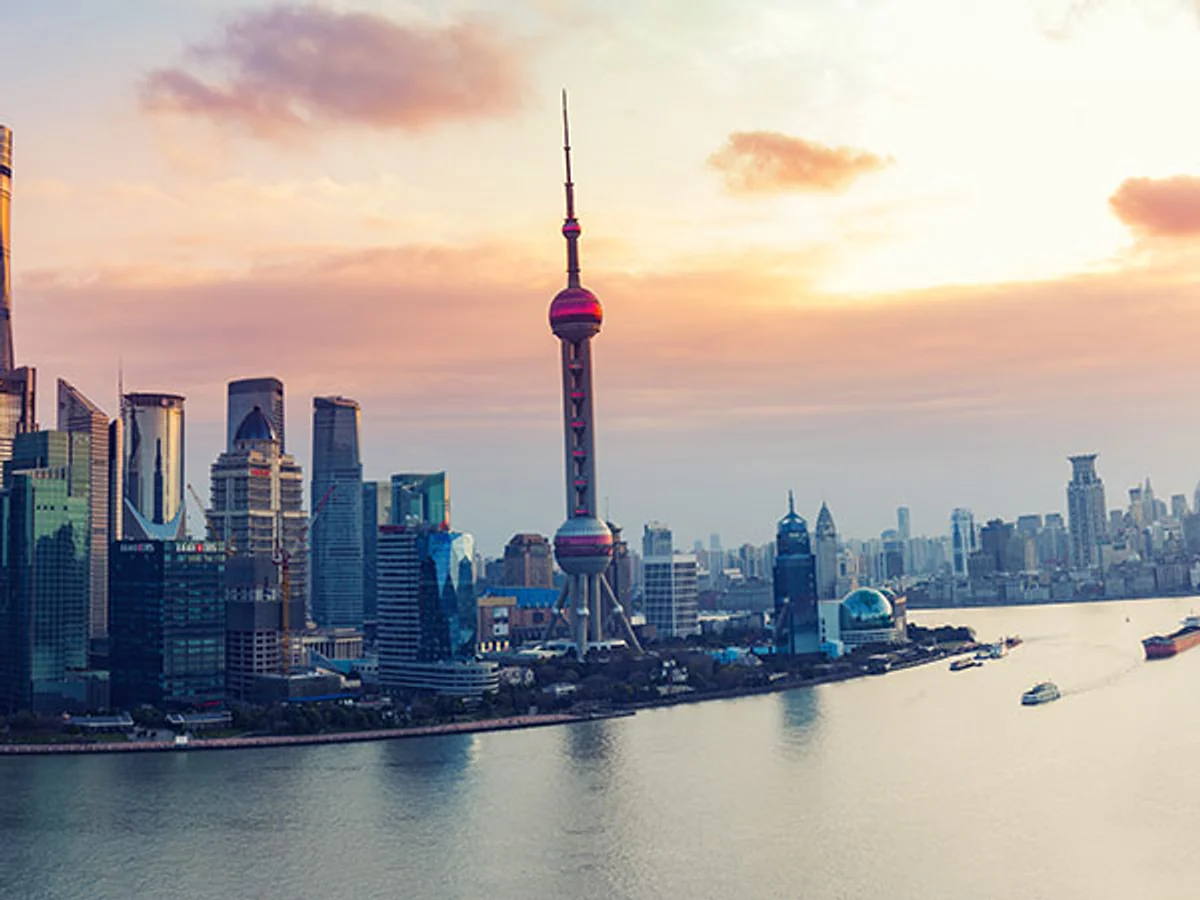
Shanghai combines mainland financial institutions, Lujiazui, a major port, advanced services and the Yangtze River Delta economy. Pudong contains the best-known financial skyline, while the Bund, former industrial areas, convention zones and research districts tell different parts of the city's commercial story. Shanghai's role is also regional: frequent rail links connect it with Suzhou, Hangzhou and other delta centers. Choose it for mainland corporate access, urban architecture and easy rail connections. A visitor interested in economic geography can compare the Bund's historic trading frontage with Lujiazui's modern towers without turning the trip into a claim that one district represents the whole economy. Business travelers should identify whether meetings are in Pudong, the central districts or an outer development zone before choosing a hotel. Allow schedule flexibility in Shanghai: Mainland Financial and Commercial Hub because weather and demand can affect access. Plan meetings by district because the municipality is extensive, and verify event, venue and transport details close to travel. Allow extra time for airport and major-station security. Continue planning with the
special economic zones in China.
The Bund