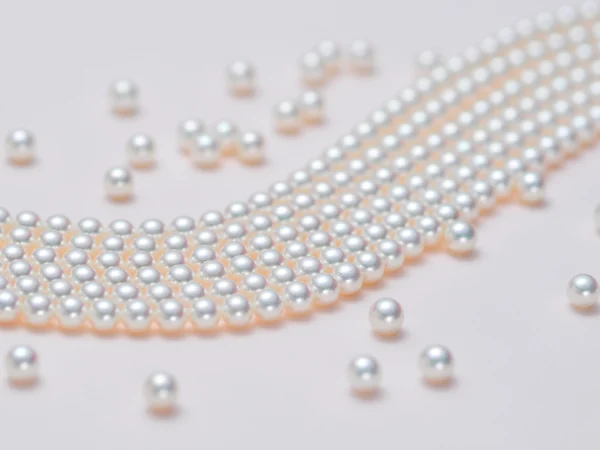
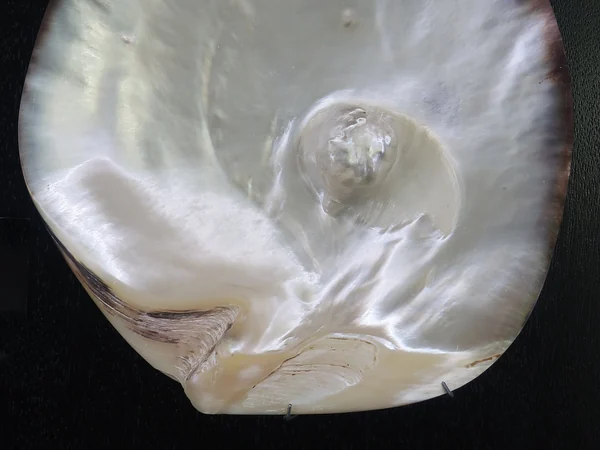
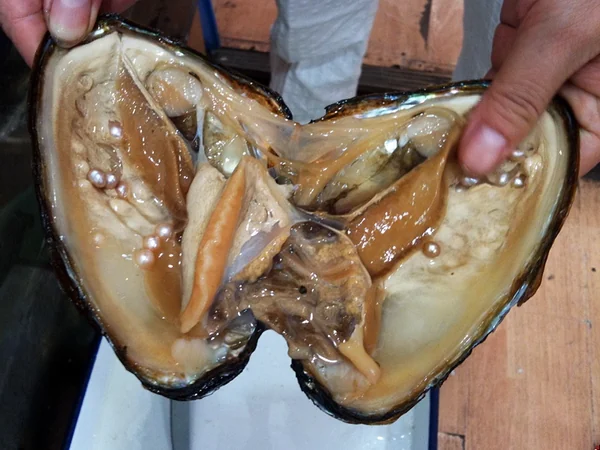
China's pearl story includes historic saltwater fisheries on the southern coast, modern freshwater cultivation in the lower Yangtze region, specialist markets and a large jewellery industry. These are different histories, not a ranking in which one town automatically produces the “best” pearl. A cultured pearl forms in a mollusc with human intervention; it is a real pearl, not an imitation. Quality still varies widely, so buyers should judge the individual pearl and its documentation. The broader guide to
shopping in China explains receipts, returns and seller checks.
Leizhou Peninsula, Guangdong: A South China Sea Tradition
The Leizhou Peninsula faces waters historically associated with southern marine resources and pearl activity. References to “South Sea pearls” in Chinese tourism material may describe regional heritage, a commercial category or a modern product line; the phrase alone does not establish species, cultivation site or treatment. Ask a seller to state whether a pearl is saltwater or freshwater, cultured or natural, and where the claim was documented.
Modern production and older fishing narratives should be kept separate. Historic communities gathered marine pearls under difficult conditions, while contemporary aquaculture relies on managed molluscs, water quality, implantation skill and long cultivation cycles. Coastal scenery or an old story cannot authenticate jewellery. On a farm visit, follow biosecurity instructions and avoid handling live animals unless staff explicitly allow it.
Hepu, Guangxi: Pearls and Maritime History
Hepu, near the Beibu Gulf, is strongly associated with nanzhu, or southern pearls, in regional history. Archaeological exhibitions connect the area with Han-period maritime exchange and include beads and imported materials, but an excavated bead must be scientifically identified before it is called a local pearl. Popular stories about court jewellery are often repeated without an object-level provenance trail and should be treated as tradition unless a museum catalogue supplies the evidence.
For a contemporary “Hepu pearl,” request the producer, mollusc type, cultivation water, treatment disclosure and an independent report for an expensive item. Roundness and high lustre can be desirable, but neither proves Hepu origin. Historic source, present-day cultivation site, processing location and retail location may all be different.
Responsible interpretation also includes the environment. Pearl farming depends on living molluscs and healthy water; stocking density, disease, waste and chemical use affect both welfare and ecosystems. A credible visit or retailer should be able to discuss current practice rather than relying only on a romantic diving narrative.
Shanxiahu, Zhuji: A Major Freshwater Pearl Hub
Shanxiahu in Zhuji, Zhejiang, is an important centre for freshwater cultured pearls, trading, grading, design and e-commerce. A market stall may carry pearls grown elsewhere, and a local farm may sell jewellery processed in another city. Describe Zhuji as a production and commercial cluster, not as proof that every item in its markets has one local origin.
Freshwater cultured pearls can occur in many shapes, colours and surface qualities. Compare lustre under neutral light, inspect the surface and drill holes, check how well a strand is matched and ask whether colour or surface treatments were used. For a valuable purchase, a recognized laboratory report is more useful than an impressive market nickname. Similar provenance discipline applies to
buying jade in China.
Weitang, Suzhou: Freshwater Cultivation History
Weitang is remembered in accounts of twentieth-century freshwater pearl cultivation in Jiangsu's lake-and-canal region. The local history deserves a date and source rather than a sweeping “birthplace of all freshwater pearls” claim: pearl techniques developed in more than one period and place, and modern Chinese production later expanded strongly in Zhejiang. Museums and science displays can help visitors distinguish mollusc biology, cultivation and jewellery processing.
Wherever you shop, compare like with like. Ask for dimensions in millimetres, pearl type, treatments, metal fineness, clasp details, return terms and an itemized receipt. Rub tests and tooth tests can damage jewellery and do not determine origin. A gemological report can identify many features, but geographic origin may remain uncertain. The same caution is important when comparing
Chinese jade origin names: a celebrated place name is a claim to verify, not a quality grade.