Your China & Yunnan Travel Experts


Field-planning reviewYUNSKY Travel Planning Desk · Updated 29 August 2026
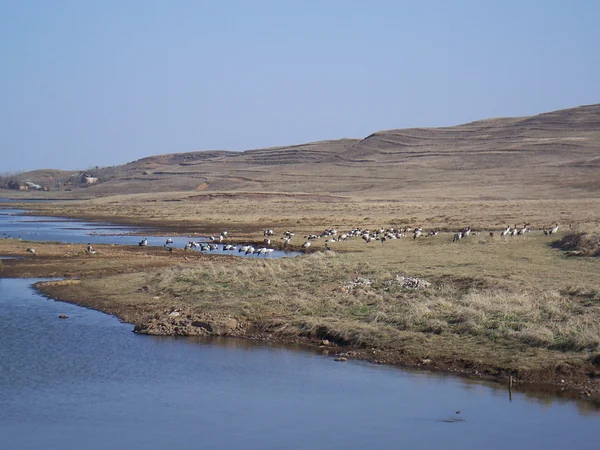
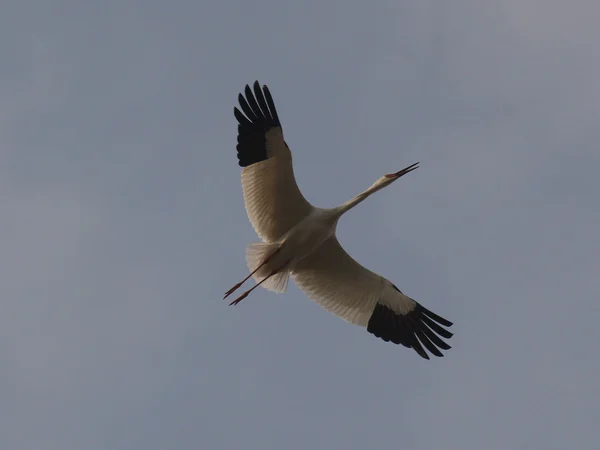
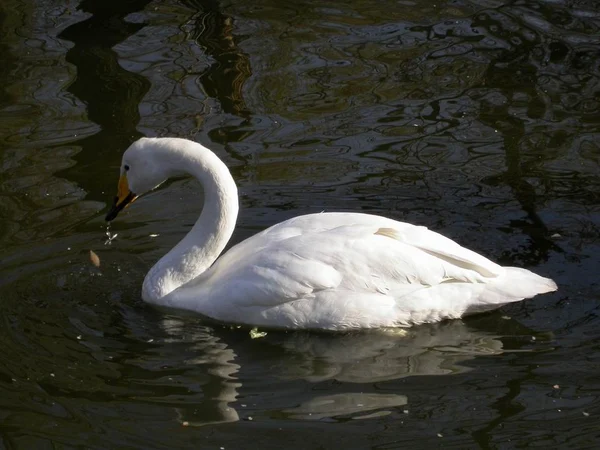
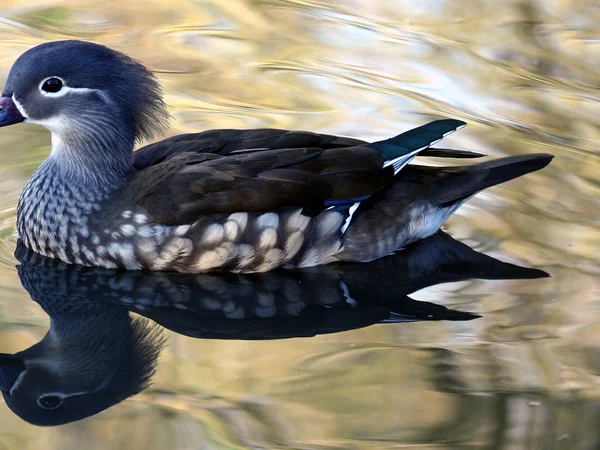
A bird photography trip should be designed around habitat and behaviour, not a guaranteed species list. Water level, temperature, migration timing and disturbance can alter what is visible from one day to the next. The four guides below cover very different winter settings: a high Yunnan plateau, Poyang Lake wetlands, the Shandong coast and wooded streams near Wuyuan.
No responsible operator can promise a close encounter. The useful promise is a process: current local checks, enough observation time, appropriate distance and a willingness to leave without a frame if the bird changes behaviour.
| Area | Primary interest | Planning reality |
|---|---|---|
| Dashanbao, Yunnan | Black-necked cranes in high-altitude wetland | Cold, wind and altitude affect both batteries and people |
| Poyang Lake, Jiangxi | Wintering cranes and broad wetland assemblies | Water levels can shift feeding areas and viewing distance |
| Rongcheng/Yandunjiao, Shandong | Whooper swans on coastal winter water | Wind direction and busy viewing points change backgrounds |
| Wuyuan, Jiangxi | Mandarin ducks in wooded freshwater habitat | Low light and branches often matter more than reach |
Start with the species-specific notes for black-necked cranes at Dashanbao, winter cranes around Poyang Lake and Mandarin ducks near Wuyuan. Treat all seasonal windows as planning ranges. Confirm recent observations and access with a local reserve or guide before fixing non-refundable transport.
Distance is not measured only in metres. If a bird stops feeding, stretches its neck toward you, repeatedly calls, moves away or leaves a nest area, the approach has already changed its behaviour. Back away quietly. A longer lens does not justify crossing a barrier, and a hide is useful only when it is permitted and placed without blocking a feeding or escape route.
Avoid food lures, repeated playback, drones near birds, nest photography and reporting precise locations for sensitive species. Flash should not be used where it can disturb a bird, especially at night. These principles follow established ethical bird-photography guidance and take priority over a shot list.
Work with the group size the site can absorb. One quiet photographer may remain unnoticed where a line of tripods creates pressure. Follow reserve staff, local closures and marked routes even if another visitor ignores them. When a guide advises against approaching, that is useful field judgment, not a missed service.
A 400–600mm equivalent is common for open wetlands; a shorter zoom can be more flexible for flocks and environmental frames. Support the lens with a monopod or tripod only where the footprint is safe. Use a shutter speed matched to behaviour rather than a fixed formula: a standing crane, a preening duck and a swan landing on water need different decisions. Raise ISO before accepting motion blur that defeats the purpose of the image.
Cold drains batteries and condensation can form when equipment moves into a warm vehicle. Carry charged spares inside an inner pocket and let sealed equipment warm gradually. In exposed wetlands, pack wind protection, water, sun protection and footwear for frozen or muddy ground. The field day should end before physical discomfort makes the group careless around wildlife.
Keep the sequence around the dramatic frame: habitat, feeding, social spacing and the conditions of the sighting. Note location at a sensible regional level, date, weather and whether the bird was wild, provisioned or photographed near a managed feeding area. Do not label a species from memory when field marks are uncertain; verify it later or state the uncertainty.
Editorial accountability
Hu Lei, CEO. The named owner is responsible for travel-planning accuracy and escalation of time-sensitive checks.
Yuntian Travel (Yunnan) Group is identified in its corporate profile as a licensed professional inbound travel service provider based in Kunming, China. Registration and travel-service documents can be requested before booking.
Page-specific references where cited, official destination, transport and entry notices, YUNSKY route-planning records, and direct provider confirmation before a booking is finalized.
Content is reviewed when rules, transport, access, pricing or route conditions change. Final availability and operating details are reconfirmed for each traveler’s dates.
Quality review: Page updated: