Your China & Yunnan Travel Experts


Field-planning reviewYUNSKY Travel Planning Desk · Updated 29 August 2026
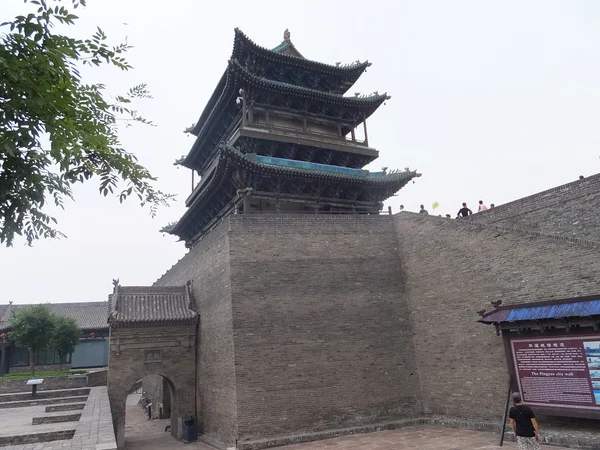
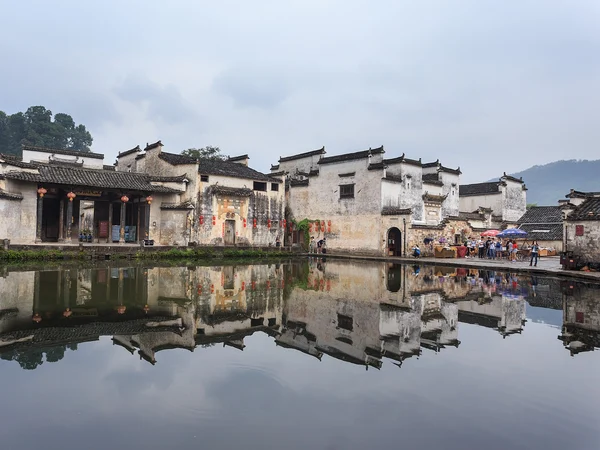
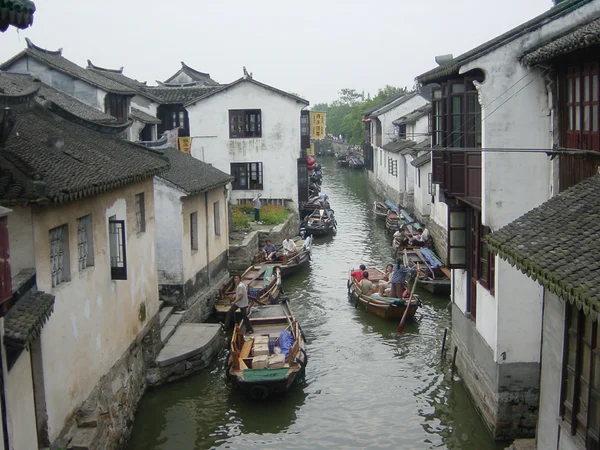
China's old towns are not interchangeable backdrops. Pingyao is read through walls, courtyards and long axial streets; Hongcun is shaped by water, white walls and the Huangshan foothills; the Jiangnan towns depend on canals, bridges and the rhythm of daily life. A useful photography route starts by deciding which visual problem you want to solve, then allowing enough time for weather, access and ordinary life to change the scene.
This is a selection guide rather than a ranking. The cards below lead to individual location notes, while this overview explains how to choose and combine them. Architectural context matters: our guide to ancient Chinese architecture helps identify features worth observing instead of treating every roofline as decoration.
| Place | Strong visual material | Common planning mistake |
|---|---|---|
| Pingyao | City walls, lanes, shopfronts and courtyard geometry | Arriving only at midday and missing the quieter street edges |
| Hongcun | Water reflections, Huizhou houses and mountain context | Framing only the famous pond and ignoring village circulation |
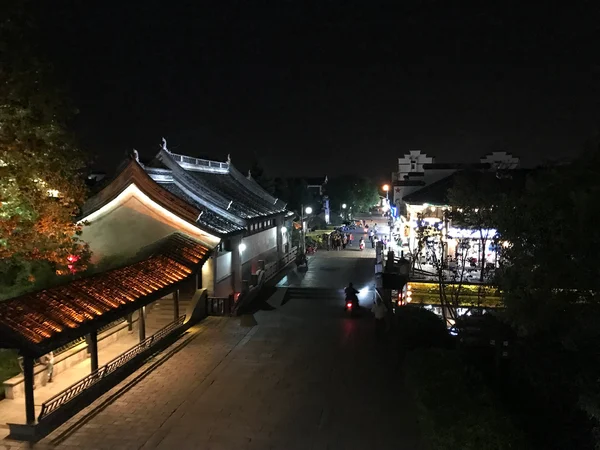
| Xitang, Zhouzhuang or Wuzhen | Bridges, canals, covered passages and evening light | Trying to cover several water towns in one rushed day |
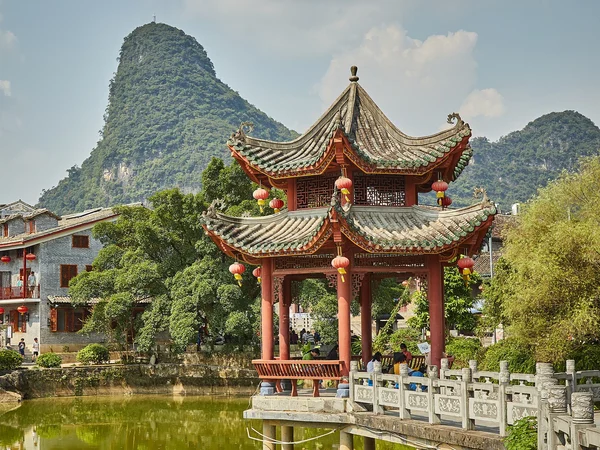
| Huangyao | Stone lanes, banyan trees and a less uniform townscape | Assuming transport and opening access work like a major city |
For a first route, two contrasting towns usually produce a stronger story than four similar ones. Pingyao plus Hongcun contrasts northern brick and earth tones with southern water and white walls. Shanghai-area travellers can base a shorter project around one Jiangnan town and return on a second morning, when deliveries, school runs and market activity provide a different layer from the evening lantern scene.
Old streets often face mixed light: a bright sky over a narrow lane, deep shade under eaves and reflective white plaster. Scout without the camera at midday, note where the sun will enter, then return near opening time or late afternoon. A small tripod can help with architecture, but it must not obstruct residents, doorways or bridge traffic. Interior photography may be restricted even when an admission ticket covers the building.
Season changes both atmosphere and working conditions. Rain can make stone lanes reflective but also slippery; summer haze can soften distant roofs; winter offers lower sun and fewer visitors but shorter daylight. Build a weather alternative such as covered arcades, carving details or a documented craft process, and obtain permission before photographing inside a workshop.
People live behind the facades. Do not photograph through windows, stage a resident without consent or block a household entrance for a clean composition. A gesture and a clear question are better than a long lens used to avoid interaction. For portraits of children, seek permission from a parent or guardian. If someone declines, move on without bargaining.
Keep captions honest. A commercial performance is not an “ancient ritual,” and a renovated tourism street should not be described as untouched. Record the date, exact town, whether an activity was arranged and what you verified locally. UNESCO status can explain a protected urban plan, but it does not certify every shopfront or visitor experience. These details strengthen the trustworthiness of a photo essay.
Travellers who want these towns integrated with landscapes or portrait sessions can compare the pacing of a China photo safari. For other themes, return to the China photography planning hub.
Editorial accountability
Hu Lei, CEO. The named owner is responsible for travel-planning accuracy and escalation of time-sensitive checks.
Yuntian Travel (Yunnan) Group is identified in its corporate profile as a licensed professional inbound travel service provider based in Kunming, China. Registration and travel-service documents can be requested before booking.
Page-specific references where cited, official destination, transport and entry notices, YUNSKY route-planning records, and direct provider confirmation before a booking is finalized.
Content is reviewed when rules, transport, access, pricing or route conditions change. Final availability and operating details are reconfirmed for each traveler’s dates.
Quality review: Page updated: