Your China & Yunnan Travel Experts


Seasonal-planning reviewYUNSKY Travel Planning Desk · Updated 29 August 2026
A bloom calendar is a probability, not a promise. Temperature, rain, elevation, crop choice and farm schedules can move a display earlier, later or out of the expected field entirely. Good flower photography planning therefore uses a date range, current local checks and a second subject for every stop.
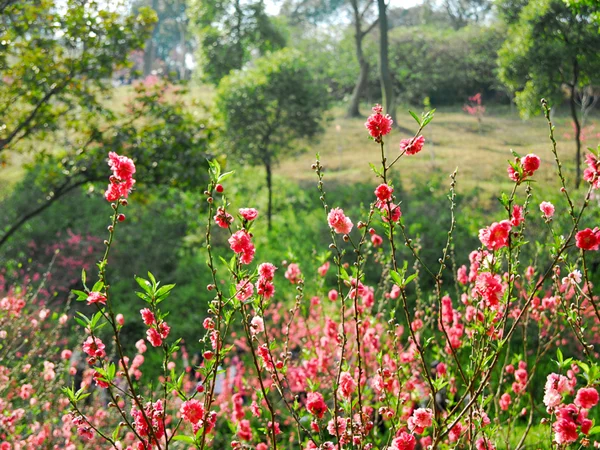
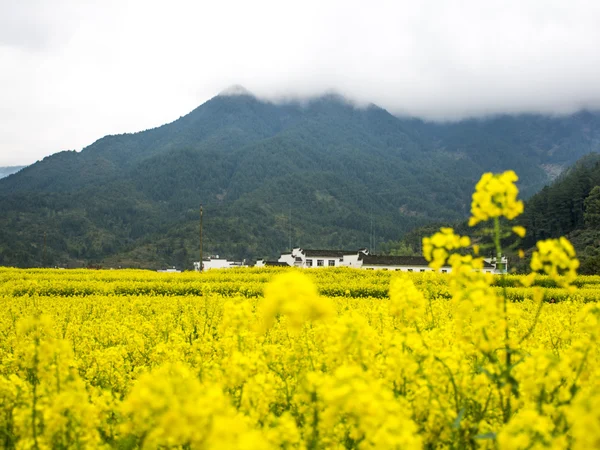
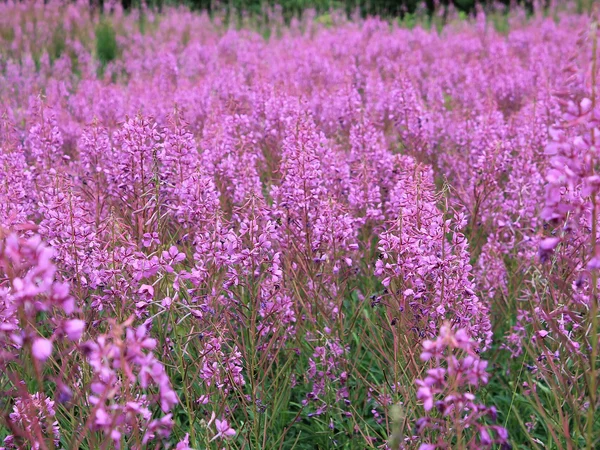
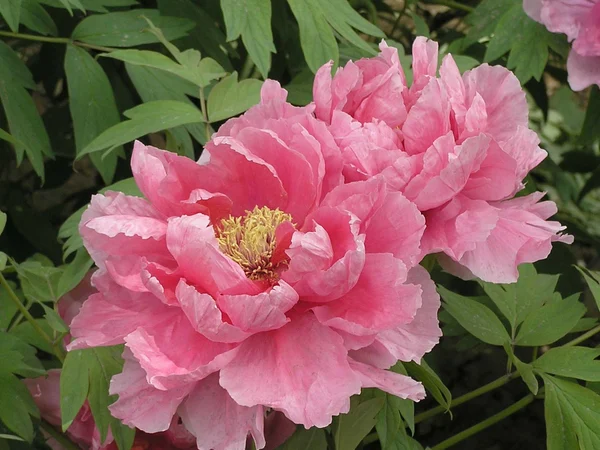
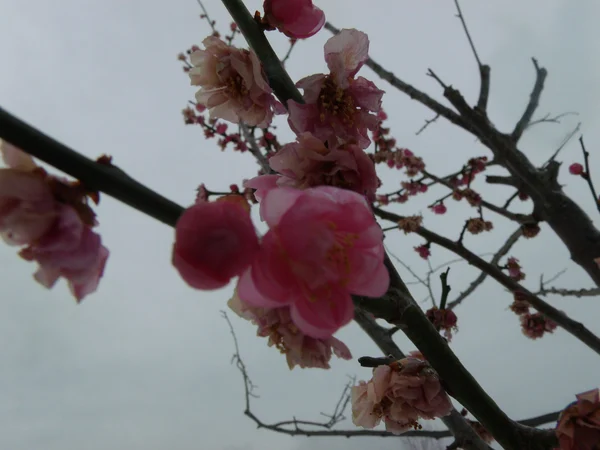
The images and cards below introduce five very different projects: blossom and Himalayan landscape in Nyingchi, rapeseed fields around Wuyuan villages, lavender rows in Ili, cultivated peonies in Luoyang and spring apricot blossom in Xinjiang. The exact look of any field changes from year to year.
| Subject | Typical planning range | Best fallback |
|---|---|---|
| Nyingchi peach blossom | Late March into April | Valley landscapes, villages and mountain-weather studies |
| Wuyuan rapeseed | March, varying by elevation | Huizhou villages, lanes and spring farming activity |
| Ili lavender | Usually June into July | Grassland, mountain foothills and wider agricultural patterns |
| Luoyang peony | Principally April | Garden design, old-city architecture and controlled close work |
| Xinjiang apricot blossom | Often late March into April | Valley settlement, orchards and snow-mountain context |
These ranges are deliberately broad. Check forecasts and recent, dated reports 10–14 days before travel, then again 48 hours before a long transfer. Our specific notes for Nyingchi peach blossom, Wuyuan rapeseed and Xinjiang apricot blossom explain the local route questions that a national calendar cannot answer.
A fixed one-day stop is vulnerable to wind, rain and a field that has already been cut. Two mornings and two afternoons give useful alternatives, particularly when the landscape matters as much as the flowers. Keep the hotel and transport flexible where possible, and identify a higher or lower elevation that may be at a different stage of bloom.
Do not build the trip around a single photograph circulated online. It may have been made in another year, from private land or with a long lens that changes the apparent density of a field. Ask what is flowering now, whether public access is permitted and where vehicles can stop without blocking farm work.
Stay on paths, terraces and authorised viewpoints. Do not step between crop rows, shake branches for falling petals, pick flowers or move farm equipment. A landowner's permission is required even when a location looks open from the road.
Popular blossom sites can become congested. Use a moderate telephoto to simplify the frame from an established path, wait for people to move naturally and avoid asking strangers to enter cultivated land. Drones introduce privacy, crop-safety and aviation issues; verify national registration and real-name requirements as well as local no-fly and site rules before carrying one.
Wind is often the limiting factor for close work. Raise shutter speed, use continuous autofocus where appropriate and make short bursts only when the flower settles. A tripod is valuable for quiet macro work but can be a hazard on narrow paths. A reflector or small diffuser is usually more useful than flash in a crowded garden, provided it does not touch plants.
Use a wide lens to connect blossom with village, mountain or field pattern; use a mid-range zoom for layers; use macro only when the flower itself carries the story. A polariser can control wet-leaf glare and deepen skies, but rotating it too far may make a landscape unnatural. Photograph a colour reference in difficult mixed light and keep edits credible.
Editorial accountability
Hu Lei, CEO. The named owner is responsible for travel-planning accuracy and escalation of time-sensitive checks.
Yuntian Travel (Yunnan) Group is identified in its corporate profile as a licensed professional inbound travel service provider based in Kunming, China. Registration and travel-service documents can be requested before booking.
Page-specific references where cited, official destination, transport and entry notices, YUNSKY route-planning records, and direct provider confirmation before a booking is finalized.
Content is reviewed when rules, transport, access, pricing or route conditions change. Final availability and operating details are reconfirmed for each traveler’s dates.
Quality review: Page updated: