Your China & Yunnan Travel Experts


Xinjiang's apricot bloom is a moving seasonal wave, not one statewide festival date. Low, warmer basins can flower first; Pamir valleys and Ili locations follow under different elevation and weather patterns. The Xinjiang destination guide explains the distances, while this page turns bloom reports into a photography decision process. Reviewed August 29, 2026.

The strongest frames place trees within the region: village lanes, irrigated fields, foothills, snow peaks or broad valley light. A close flower portrait can be made almost anywhere, but a Xinjiang story needs geographic context and consent when homes, orchards or people are included.
Bloom is brief and weather-sensitive. Wind, rain, frost and sudden warmth can shift peak color by days, so no operator should guarantee full blossom from a historic average.
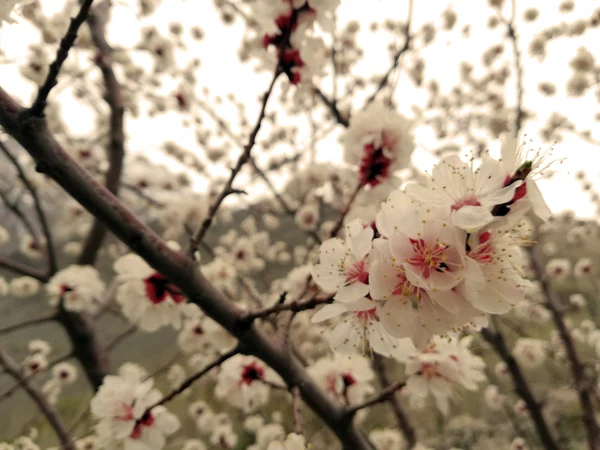
Toksun near Turpan offers the earliest and simplest add-on for many routes; Pamir villages require more road time and high-altitude planning; Ili offers a later northern option with large valley landscapes. Combining all three in one bloom chase usually creates excessive flights and drives.
Use the Xinjiang travel logistics guide to check distances, identity documents, road conditions and local access before selecting a flower report.
Official 2026 seasonal guidance placed southern Xinjiang and Toksun-area apricot viewing from roughly mid-March into early April, subject to annual change. Toksun is the lower-transfer choice from Urumqi or Turpan, but festival dates and crowd-control routes must be checked for that year.
Pamir apricot villages can combine blossom with stone-walled homes, river valleys and snow mountains. The route is remote and high: allow acclimatization, weather and road buffers, carry warm layers, and confirm current border-area or local document requirements through official channels.
Ili generally flowers later than Toksun. Official regional guidance commonly places apricot viewing from late March through April, but individual valleys and slopes differ and peak blossom can last only a short time. Confirm Turgen, Daxigou or another chosen site rather than treating “Ili” as one orchard.
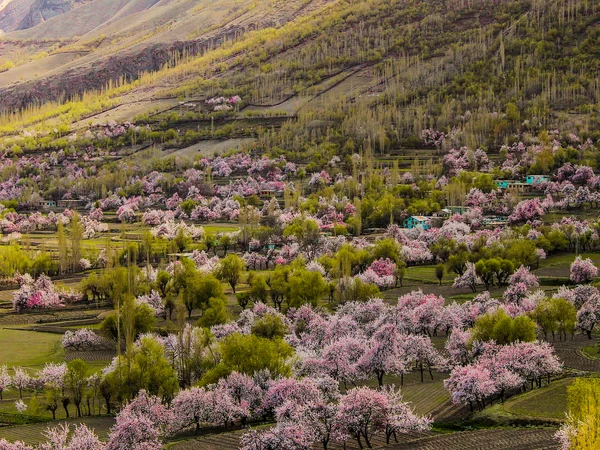
First use the regional window; second obtain a same-week local bloom report; third check wind, rain and road conditions 24–48 hours before the shoot. The China April weather guide provides context but cannot replace a local forecast.
Start monitoring in mid-March. Build two mornings, use side light for village context and keep a Turpan heritage or desert backup if bloom is early, late or storm-damaged.
Late March into early April can be relevant, but altitude and road weather vary. Do not drive overnight to chase a social-media post; schedule a legal local route, daylight transfers and an acclimatization day.
Early to mid-April is a useful planning range in many years, with some local official guides extending the broader flower season later. Photograph layered trees and valley scale, and avoid walking into private orchards without permission.
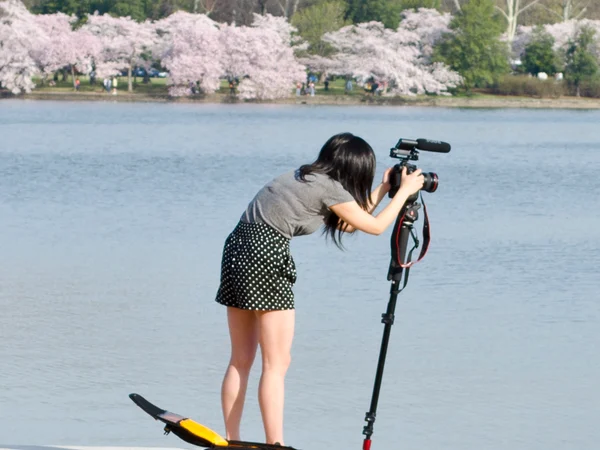
show the valley, village or mountain relationship before moving to medium scenes. Control bright petals: check highlight clipping, use a polarizer carefully and bracket only when wind is low.

From $ 1568
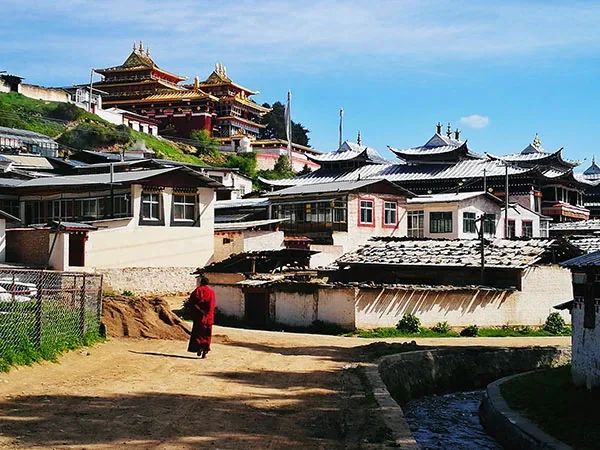
From $ 850
From $ 2583
Editorial accountability
Hu Lei, CEO. The named owner is responsible for travel-planning accuracy and escalation of time-sensitive checks.
Yuntian Travel (Yunnan) Group is identified in its corporate profile as a licensed professional inbound travel service provider based in Kunming, China. Registration and travel-service documents can be requested before booking.
Page-specific references where cited, official destination, transport and entry notices, YUNSKY route-planning records, and direct provider confirmation before a booking is finalized.
Content is reviewed when rules, transport, access, pricing or route conditions change. Final availability and operating details are reconfirmed for each traveler’s dates.
Quality review: Page updated: