Your China & Yunnan Travel Experts


Field-planning reviewYUNSKY Travel Planning Desk · Updated 29 August 2026
A village is a home before it is a photography location. The strongest work usually comes from understanding how houses, farmland, religious spaces and public life fit together—not from collecting portraits of people in distinctive clothing. This guide compares five settings and sets a consent-first method for working in them.
The term “ethnic village” covers very different communities and can flatten important distinctions. Use the community's own name where it is known, distinguish a public festival from daily life, and avoid presenting a tourism performance as timeless tradition.
| Place | Visual structure | Context to research |
|---|---|---|
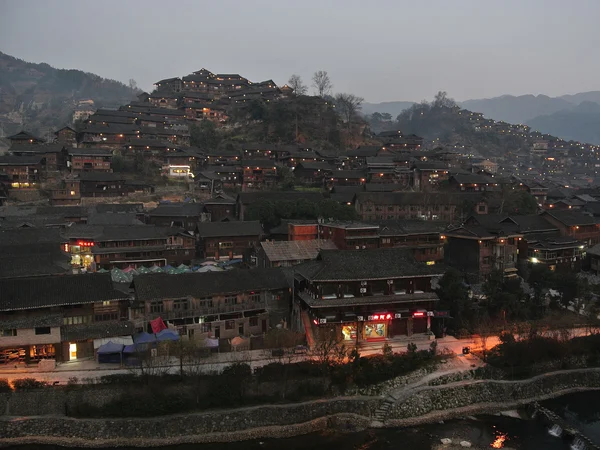
| Xijiang, Guizhou | Dense timber houses on a steep valley slope | Miao community, major visitor infrastructure and staged performances |
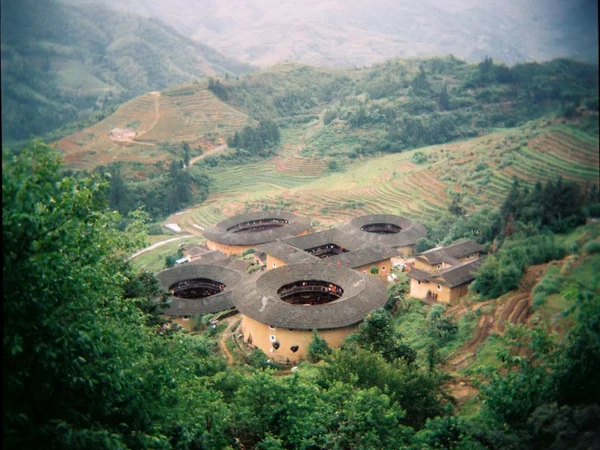
| Fujian tulou | Collective earthen buildings and shared courtyards | Occupied homes, clan organisation and World Heritage protection |
| Langmusi | Monasteries, grassland edges and a high-altitude town | Religious rules, regional identities and seasonal weather |
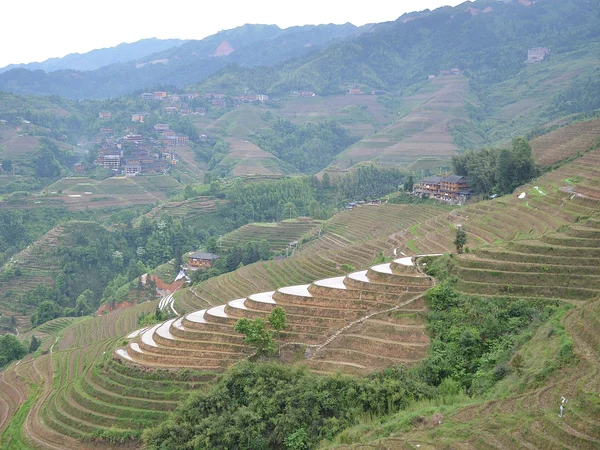
| Longji | Terraces, water, paths and Yao or Zhuang settlements | Agricultural calendar and physically demanding access |
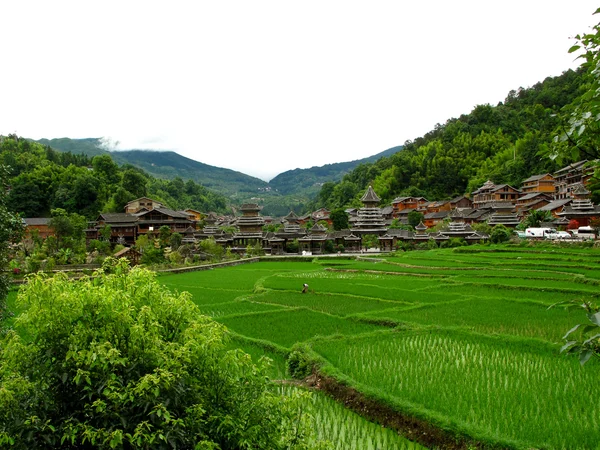
| Zhaoxing, Guizhou | Dong drum towers, bridges and timber streets | Community spaces, performances and changing village life |
Use the specific guides for Xijiang Miao village, Fujian tulou and Zhaoxing Dong village to turn this framework into a practical route. Two nights in one place are usually more valuable than a coach schedule that reaches three villages only for their public viewpoint.
For a recognisable portrait, ask before taking the photograph. A guide can translate the request, but the person being photographed still decides. Explain whether the image is personal, editorial or commercial and show the result when practical. Consent for one portrait does not imply permission to enter a home, photograph children or publish a private ceremony.
Remove shoes or cover the camera when local rules require it. Never photograph funerary activity, prayer, offerings or restricted objects because another visitor did. If the answer is uncertain, keep the camera down and ask an authorised local person.
Compensation also needs care. Paying an agreed model or craft demonstrator is legitimate when the arrangement is disclosed. Secretly handing out money can change expectations and create pressure on later visitors. Buy directly from artisans when the work is genuine, pay any stated location or performance fee transparently and describe arranged scenes honestly in captions.
Begin with wide frames that explain terrain, building materials and movement. Then work toward shared spaces—a bridge, market, courtyard or field—before asking for portraits. This sequence gives a person context and prevents the final edit from becoming a series of faces detached from community life.
A 24–70mm equivalent is often enough for environmental work; a small prime can make the interaction less intimidating. Long lenses are useful for landscape compression, not for bypassing consent. Keep the kit light on stone steps and terrace paths. At high altitude around Langmusi, allow time to acclimatise and do not turn physical discomfort into pressure on the group.
Write down the correct place name, community name, activity and whether the scene was spontaneous or arranged. Avoid broad claims such as “unchanged for centuries.” Tulou are living buildings that have adapted over time; terraces are working agricultural systems; villages with guesthouses and ticket gates are still communities rather than theme parks. Specific, modest language is more accurate and more useful.
Editorial accountability
Hu Lei, CEO. The named owner is responsible for travel-planning accuracy and escalation of time-sensitive checks.
Yuntian Travel (Yunnan) Group is identified in its corporate profile as a licensed professional inbound travel service provider based in Kunming, China. Registration and travel-service documents can be requested before booking.
Page-specific references where cited, official destination, transport and entry notices, YUNSKY route-planning records, and direct provider confirmation before a booking is finalized.
Content is reviewed when rules, transport, access, pricing or route conditions change. Final availability and operating details are reconfirmed for each traveler’s dates.
Quality review: Page updated: