Your China & Yunnan Travel Experts


Wuzhen Ancient Town photography guide—reviewed August 28, 2026. Wuzhen in Tongxiang, Zhejiang, is a protected and managed Jiangnan water-town landscape divided by a cross-shaped river system into Dongzha, Nanzha, Xizha and Beizha. Official Wuzhen material describes about 1,300 years of town history; deeper archaeological evidence should not be presented as the age of the present town. Use the Zhejiang travel map to place it between Hangzhou and Shanghai, then check official ticket, opening, boat and event notices for the actual date. The visual evidence is the relationship among canals, stone bridges, white walls, black roofs, workshops and present-day visitor systems. Photograph that layered reality rather than presenting every restored facade as untouched antiquity.
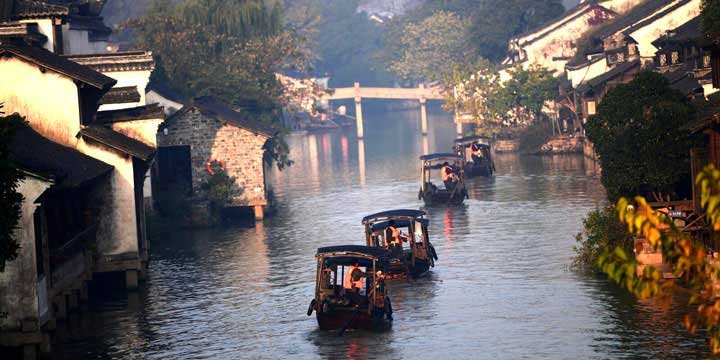
Canals, boats and traditional waterfront buildings in Wuzhen
Dongzha and Xizha are separately ticketed scenic zones with managed attractions and current operating rules; Nanzha and Beizha include ordinary town space where homes, traffic and business continue. The Hangzhou travel hub helps with regional transport, but it does not replace a zone-specific plan. Decide whether the assignment is craft and daytime life, broad canal architecture, night lighting or present-day residential context. A ticket permits entry, not unrestricted portraits, private interiors, tripods, drones or commercial production. Save the official map offline, mark the exact gate and resist crossing zones simply because light is changing; a deliberate half-day in one zone produces stronger captions and fewer duplicate canal frames.
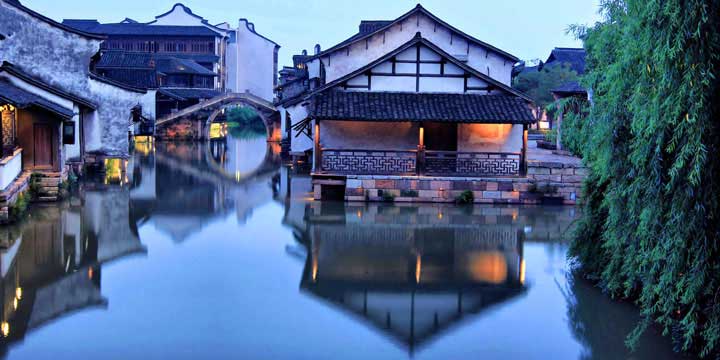
Dongzha is the more compact sightseeing zone, with waterways, bridges, workshops and museums supporting a daytime visual sequence. Official material distinguishes it from the more leisure-oriented Xizha. Check current opening and performance times rather than relying on an inherited statement that it simply “closes at night.” Begin with a canal-and-street establishing frame, then choose one craft process and one architectural detail. Do not photograph inside a museum, workshop or performance where signs prohibit it.
Build a focused Dongzha shot list:
Xizha combines restored historic fabric, lodging, visitor services and a longer canal network. Official material records a 1.8-kilometre old street and 72 bridges, while current ticket and boat pages publish detailed service rules. Those facts are useful for logistics, not a reason to race through every bridge. An overnight inside the scenic zone can improve access to quieter hours, but accommodation benefits and re-entry policies change; confirm them in writing before booking. Plan one west-to-east or east-to-west progression so the canal direction and evening light remain legible in the sequence. Photograph a service or restoration element when it helps explain how a managed heritage destination works.
Choose a small Xizha sequence:
A useful Wuzhen portfolio makes clear which zone, time and access condition produced each image. Record Dongzha or Xizha, bridge or street name, direction, weather and whether the frame was made from a public lane, boat or lodging-access period. That evidence supports accurate captions and prevents the same canal from being mislabeled across several water towns.
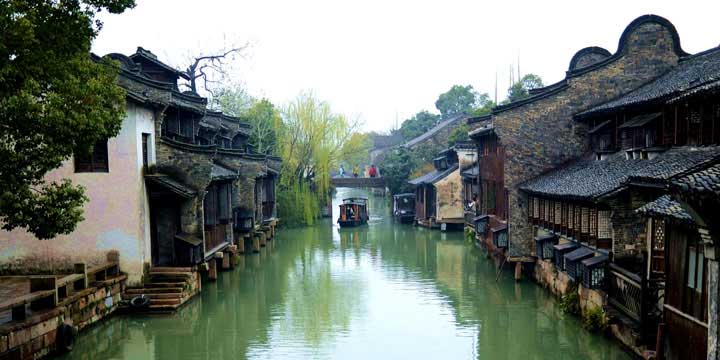
can offer softer light and fewer day visitors, especially for confirmed in-zone lodging guests, but it is also a working time for staff and residents. Do not photograph through windows, direct people at wells or doorways, or assume quiet access before public opening. Use a tripod only where permitted and keep a route clear. Mist is possible in humid weather but not guaranteed.
can balance sky, white walls and the first lamps. Scout a safe bridge or canal edge earlier, expose for pale facades and illuminated signs, and make the wide context before the crowd peaks. Sunset may be hidden by buildings, so the useful event is often changing ambient-to-lamp balance rather than a visible solar disk.
simplifies reflections but introduces bright lamps, dark timber, boat movement and pedestrian traffic. Use a stable permitted position, base exposure on important highlights, and choose whether people and boats should freeze or blur. Avoid excessive HDR halos and orange white balance. Night access, scenic-zone closing and boat service are operational facts—verify them on the official page rather than copying a fixed hour.
For a compact assignment, photograph Dongzha during its confirmed daytime opening, transfer with enough margin, scout Xizha before dusk and stay only if lodging access and re-entry terms fit the plan. The next morning, make one quiet canal sequence without disturbing residents, then use the Hangzhou tour planner to connect transport rather than adding another rushed water town. Carry a normal zoom, small allowed support, rain cover, lens cloth, spare battery and two cards. Confirm tickets, luggage, accessibility, boat, tripod and commercial-use rules; back up files before departure. Note the ticket product and zone beside each folder, separate personal portraits from commercially usable files, and keep a rain or crowd fallback such as permitted architectural details, craft interpretation or a daylight location scout. contact YunSky's trip planner with the zone, date, lodging, mobility, equipment and intended image use so current access can be checked.
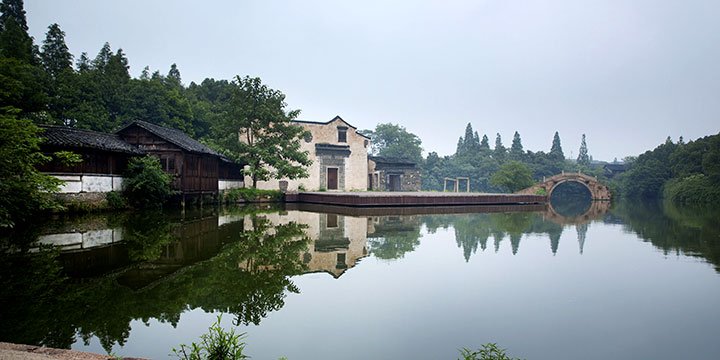
Waterfront homes and stone bridges in Wuzhen
From $ 1568
From $ 850
From $ 2583
Editorial accountability
Hu Lei, CEO. The named owner is responsible for travel-planning accuracy and escalation of time-sensitive checks.
Yuntian Travel (Yunnan) Group is identified in its corporate profile as a licensed professional inbound travel service provider based in Kunming, China. Registration and travel-service documents can be requested before booking.
Page-specific references where cited, official destination, transport and entry notices, YUNSKY route-planning records, and direct provider confirmation before a booking is finalized.
Content is reviewed when rules, transport, access, pricing or route conditions change. Final availability and operating details are reconfirmed for each traveler’s dates.
Quality review: Page updated: