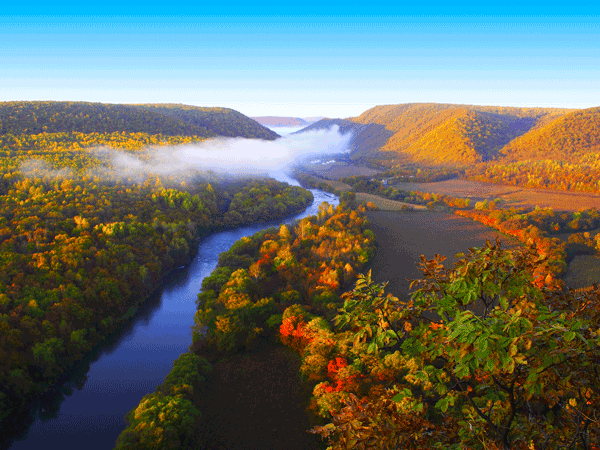
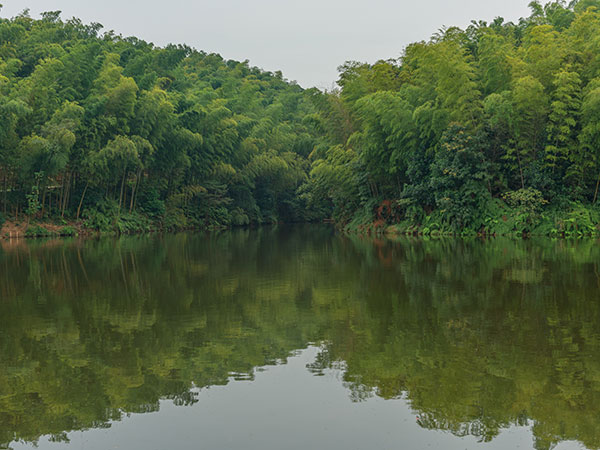
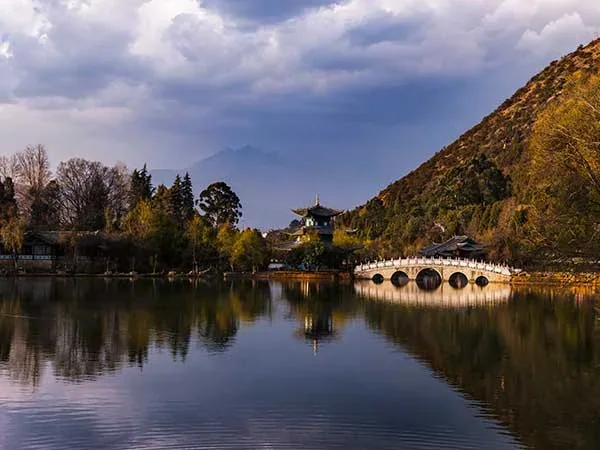
China's forest landscapes span temperate conifers, mixed mountain forest, tropical rainforest, alpine rhododendron, desert poplar and cultivated bamboo scenery. They should not be described as one interchangeable “primeval forest.” The ten original sections remain, while the rewrite explains ecosystem differences, the most practical gateway and why protected cores require marked routes and current local access information. Continue planning with the
nature reserves in China.
1. Tianshan Spruce Forest, Xinjiang
Picea Schrenkiana Forest Xinjiang
Conditions matter as much as scenery. Elevation, mud, snow and seasonal road access affect visits. Use an established scenic area such as Nalati or a named valley. Schrenk's spruce forms dark conifer belts on moist Tianshan slopes above the drier basins of Xinjiang. The forest belt is regional; not every stand is open or reached by the same road.


3. Jianfengling Tropical Forest, Hainan
For itinerary planning, It fits a Hainan itinerary that extends beyond beaches. Use current protected-area routes and a suitable local base. Heat, heavy rain, leeches, slippery trails and typhoon recovery may affect access. Stay out of conservation cores and verify whether specific trails are open.

4. Baima Snow Mountain Rhododendron Forest, Yunnan
Baima Snow Mountain in northwest Yunnan spans alpine and subalpine habitats rich in rhododendron species. The practical visitor decision is clear: It suits travelers already following the Deqin–Shangri-La road and comfortable with altitude. Use lawful viewpoints and short established walks rather than entering habitat slopes. Never guarantee peak bloom, pick flowers or leave marked visitor areas. Continue planning with the
peak-forest landscapes.
Yunnan
Conditions matter as much as scenery. Flowering varies by species, elevation and year; snow or landslides can affect the highway. Use lawful viewpoints and short established walks rather than entering habitat slopes. Baima Snow Mountain in northwest Yunnan spans alpine and subalpine habitats rich in rhododendron species. Never guarantee peak bloom, pick flowers or leave marked visitor areas.
Use 4. Baima Snow Mountain Rhododendron Forest, Yunnan as a specific regional choice, not a checklist item. It suits travelers already following the Deqin–Shangri-La road and comfortable with altitude. Flowering varies by species, elevation and year; snow or landslides can affect the highway. Use lawful viewpoints and short established walks rather than entering habitat slopes. Never guarantee peak bloom, pick flowers or leave marked visitor areas.
Tibet
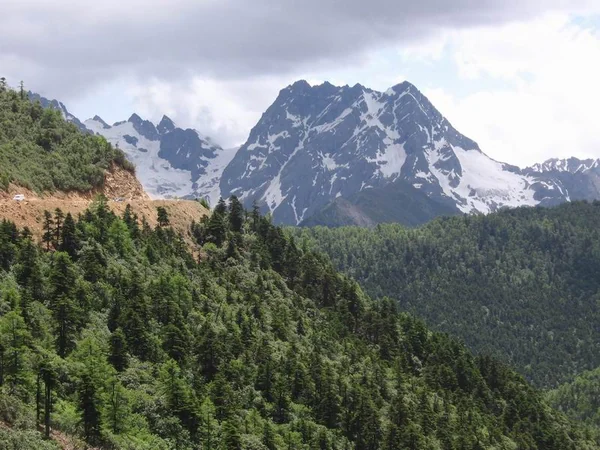
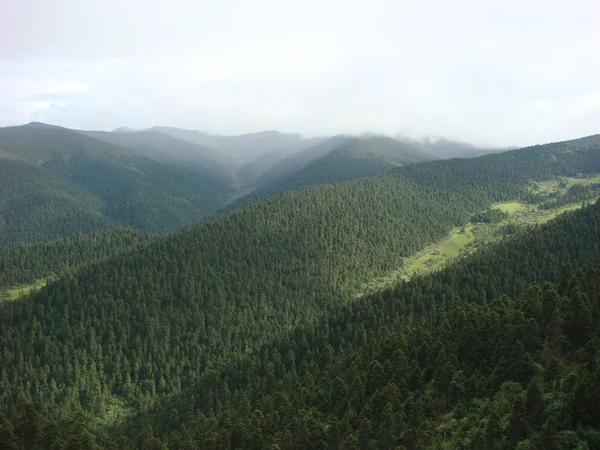
5. Nyingchi Spruce Forest, Tibet
Qinghai
6. Xishuangbanna Tropical Forest, Yunnan
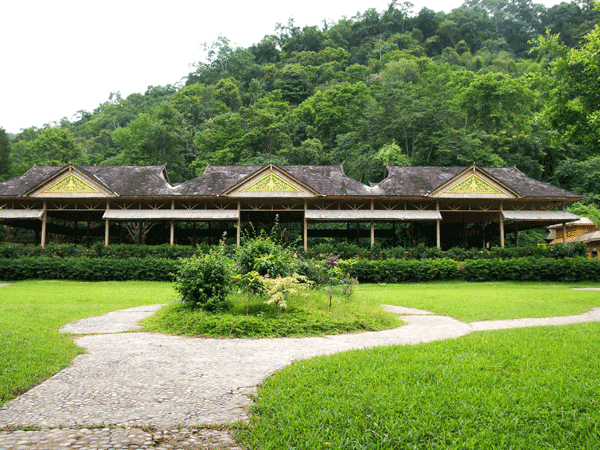
Xishuangbanna's tropical and seasonal rainforest supports rich biodiversity alongside villages, plantations and managed botanical attractions. The practical visitor decision is clear: It suits travelers interested in plants, ecology and Dai cultural landscapes. Use recognized parks or gardens from Jinghong and distinguish them from protected forest interiors. Avoid wildlife shows that conflict with responsible tourism and do not describe all tropical vegetation as pristine.
7. Luntai Desert Poplar Forest, Xinjiang
Xinjiang
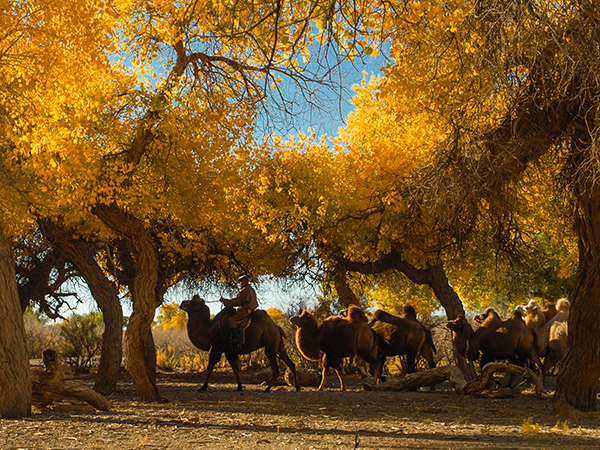
Use 7. Luntai Desert Poplar Forest, Xinjiang as a specific regional choice, not a checklist item. It is especially valued for autumn color within a longer Korla–Kuqa road route. River conditions, dust, temperature and foliage timing vary. Use a managed poplar-forest park and current transport. Do not drive into riparian habitat or guarantee a precise peak-color week.
8. Libo Karst Forest, Guizhou
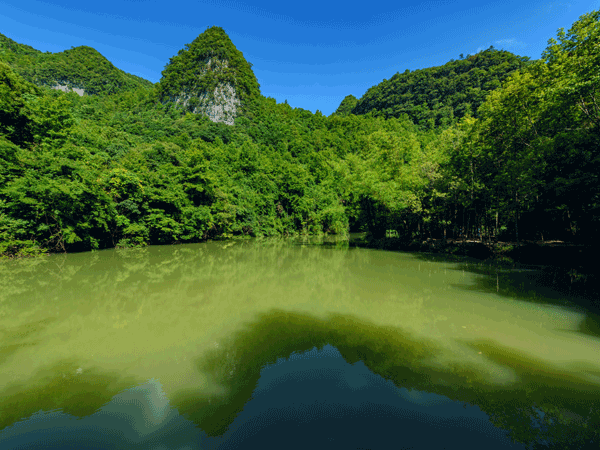
For itinerary planning, They suit travelers seeking both geology and forest ecology in southern Guizhou. Choose an established public scenic area and verify transfers from Libo. Rain, slippery trails and summer heat affect walking. South China Karst's World Heritage components and local reserves have distinct boundaries; do not treat them as one ticket.
9. Greater Khingan Larch Forest
Conditions matter as much as scenery. Wildfire controls, severe winter cold and long distances affect access. Use a named public destination such as Mohe-area or Inner Mongolia forest routes. The Greater Khingan range supports extensive boreal and temperate forest across northeast China and Inner Mongolia. Check fire-season restrictions and do not enter logging or protected zones without authorization. Continue planning with the
famous mountains in China.