Grand Canal of China: History, Cities & Route Planning
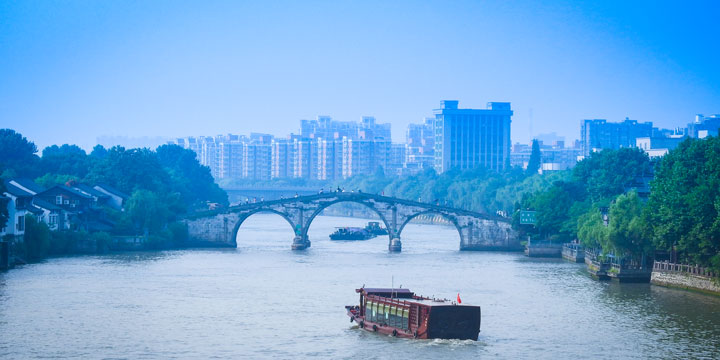
The Grand Canal in China The Grand Canal is not one uninterrupted sightseeing cruise from Beijing to Hangzhou. It is a historic transport network built, connected and modified over many centuries, with surviving channels, locks, embankments, warehouses, bridges and urban waterfronts spread across several provinces. The most rewarding trip pairs one or two canal cities with museums and short local boat or walking experiences. Budget time for local interpretation rather than chasing mileage along the full route. For overseas visitors, this city-based approach also makes rail connections, hotel choices, weather alternatives and changing local navigation schedules easier to manage. Continue planning with the Beijing destination guide. Beijing and ends at Hangzhou
Brief History
Canal construction began in separate regional sections long before later dynasties connected and reorganized the network. Read the canal as infrastructure that supported grain transport, administration and urban growth, not as one project completed in a single reign. Channels were rerouted, repaired or abandoned as rivers and political priorities changed. Pair a canal museum with a surviving urban waterway to connect chronology with physical evidence. Avoid undated length claims because sources may describe different periods and components. Continue planning with the Hangzhou destination guide.
Important Cities Along the Grand Canal
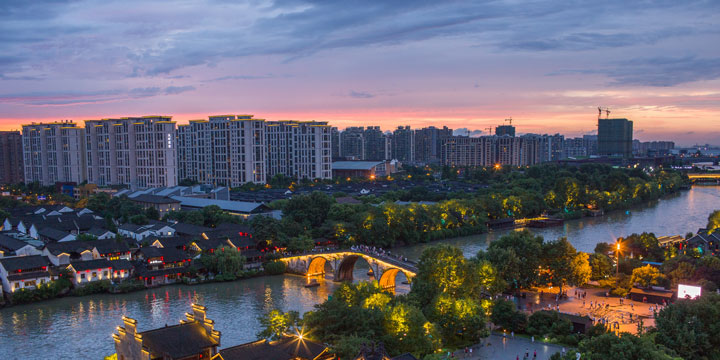
The Grand Canal runs through Beijing Beijing, Tianjin, Cangzhou, Dezhou, Jining, Yangzhou, Suzhou and Hangzhou reveal different northern and Jiangnan canal landscapes. For a first trip, pair Beijing with one lower-Yangtze cluster such as Yangzhou–Suzhou–Hangzhou. Season, crowding and local boat schedules influence the experience. Use rail connections to design city-based segments rather than a continuous canal cruise. Historic association does not mean every city center retains an equally visible waterway. Haihe River , the Yellow River , the Huaihe River, the Yangtze River
The Modern Course and What Remains
Parts of the Grand Canal still serve transport and water-management functions, while other components survive as heritage corridors or reconstructed urban waterfronts. Decide whether the priority is working infrastructure, architectural heritage or a relaxed Jiangnan boat experience. Flood control, maintenance and navigation restrictions can change access. Continue south to Hangzhou, then compare nearby Jiangnan water towns. A sightseeing boat covers only a local segment and should not be described as the entire Grand Canal. Continue planning with the
Jiangnan water towns.